
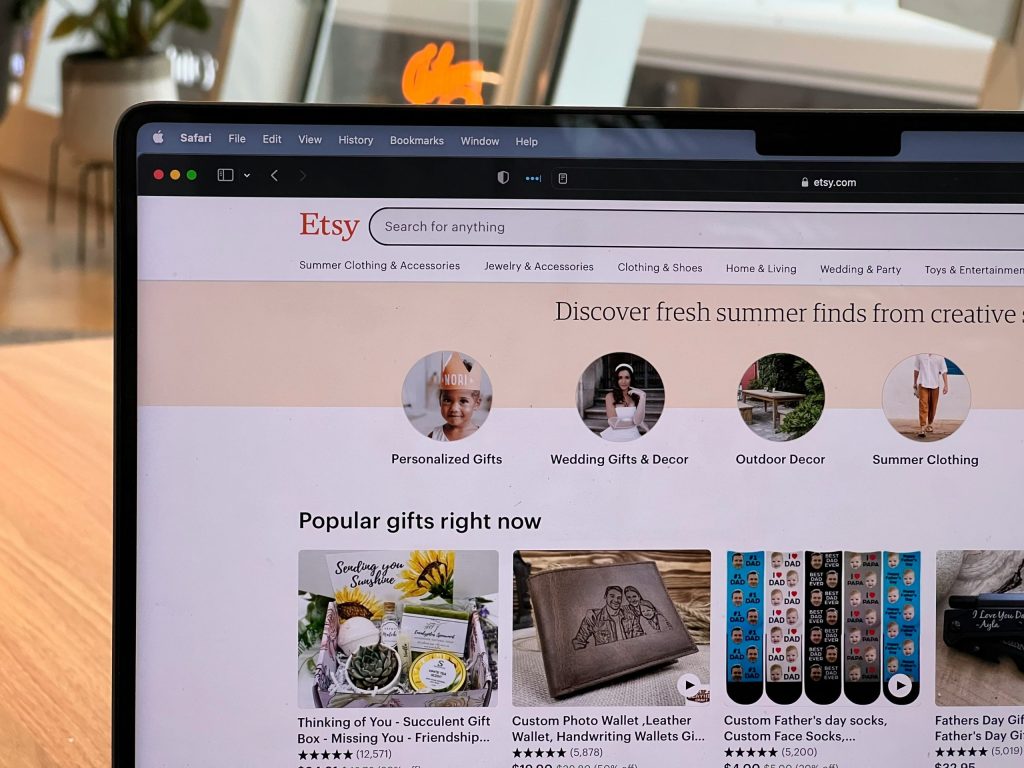
Ecommerce websites have revolutionized the way consumers shop and businesses operate. The digital marketplace has expanded exponentially over the past two decades, driven by advancements in technology, increased internet accessibility, and changing consumer behaviors. Today, ecommerce encompasses a wide range of business models, from direct-to-consumer sales to complex marketplaces that connect buyers and sellers from around the globe.
The convenience of shopping from home, coupled with the ability to compare prices and read reviews, has made online shopping an integral part of modern life. The rise of ecommerce has not only transformed retail but has also created new opportunities for entrepreneurs and small businesses. With relatively low startup costs compared to traditional brick-and-mortar stores, many individuals have ventured into the online marketplace.
This democratization of retail has led to a diverse array of platforms catering to various niches, from handmade crafts to electronics. As consumers increasingly turn to the internet for their shopping needs, understanding the different types of ecommerce websites and their unique offerings becomes essential for both buyers and sellers.
Key Takeaways
- Ecommerce websites have revolutionized the way people shop, offering convenience and a wide range of products.
- Amazon is the largest online retailer, offering a vast selection of products and services.
- eBay is a popular marketplace for unique and hard-to-find items, including collectibles and antiques.
- Etsy is a platform for handmade and vintage goods, connecting artisans and collectors with buyers.
- Shopify provides an all-in-one ecommerce solution for businesses, including website building and payment processing.
Amazon: The Giant of Online Retail

Amazon stands as the undisputed leader in the ecommerce landscape, having fundamentally changed how people shop online. Founded by Jeff Bezos in 1994 as an online bookstore, Amazon has since evolved into a global powerhouse that sells everything from electronics to groceries. Its vast product selection, competitive pricing, and efficient delivery services have made it a go-to destination for millions of consumers worldwide.
The introduction of Amazon Prime, a subscription service offering free shipping and exclusive content, further solidified its dominance in the market. One of the key factors contributing to Amazon’s success is its relentless focus on customer experience. The platform employs sophisticated algorithms to personalize shopping experiences, recommending products based on previous purchases and browsing history.
Additionally, Amazon’s user-friendly interface allows customers to easily navigate through millions of listings, read reviews, and compare prices. The company has also invested heavily in logistics and fulfillment centers, enabling rapid delivery options such as same-day or two-day shipping in many areas. This commitment to convenience and efficiency has set a high standard for ecommerce businesses globally.
eBay: The Marketplace for Unique Finds

eBay has carved out a unique niche in the ecommerce ecosystem as a platform for buying and selling second-hand items, collectibles, and unique finds. Launched in 1995, eBay pioneered the auction-style selling model, allowing individuals to bid on items in real-time. This approach not only fosters a sense of excitement among buyers but also enables sellers to potentially achieve higher prices for rare or sought-after items.
Over the years, eBay has expanded its offerings to include fixed-price listings, making it easier for consumers to purchase items without the uncertainty of bidding. The diversity of products available on eBay is one of its most appealing features. From vintage clothing and rare collectibles to refurbished electronics and everyday household items, eBay serves as a treasure trove for those seeking something out of the ordinary.
The platform also encourages community engagement through seller ratings and buyer feedback, fostering trust among users. eBay’s global reach allows sellers to connect with buyers from different countries, further enhancing the marketplace’s appeal. This unique blend of auction-style selling and fixed-price listings has made eBay a beloved platform for bargain hunters and collectors alike.
Etsy: The Platform for Handmade and Vintage Goods
| Metrics | Data |
|---|---|
| Number of active buyers | 90.7 million |
| Number of active sellers | 2.5 million |
| Number of items listed | 60 million |
| Percentage of female sellers | 87% |
| Percentage of international sellers | 35% |
Etsy has emerged as a leading platform for artisans and crafters looking to sell their handmade or vintage goods online. Founded in 2005, Etsy provides a marketplace that celebrates creativity and individuality, allowing sellers to showcase their unique products ranging from handcrafted jewelry to custom home decor. Unlike larger ecommerce platforms that focus on mass-produced items, Etsy emphasizes the personal touch that comes with handmade goods, attracting consumers who value originality and craftsmanship.
The community aspect of Etsy is one of its defining characteristics. Sellers often share their stories and creative processes with potential buyers, creating a connection that goes beyond mere transactions. This storytelling element enhances the shopping experience, allowing consumers to appreciate the artistry behind each product.
Additionally, Etsy has implemented various tools and resources to support sellers in growing their businesses, including marketing tips and analytics tools. As a result, Etsy has cultivated a vibrant ecosystem where creativity thrives, making it a favorite destination for those seeking unique gifts or one-of-a-kind items.
Shopify: The All-in-One Ecommerce Solution
Shopify has emerged as a leading ecommerce platform that empowers entrepreneurs to create their own online stores with ease. Launched in 2006, Shopify provides users with a comprehensive suite of tools designed to simplify the process of setting up and managing an online business. From customizable website templates to integrated payment processing and inventory management systems, Shopify offers everything needed to launch an ecommerce venture without requiring extensive technical knowledge.
One of Shopify’s standout features is its scalability. Whether an entrepreneur is just starting out or running a well-established business, Shopify can accommodate growth by offering various pricing plans and features tailored to different needs. The platform also supports multiple sales channels, allowing users to sell on social media platforms like Facebook and Instagram or even in physical retail locations through Shopify POS (Point of Sale).
This versatility makes Shopify an attractive option for businesses looking to expand their reach while maintaining control over their brand identity.
Walmart: The Retail Giant’s Online Presence

Walmart’s transition into the ecommerce space reflects its commitment to adapting to changing consumer preferences while leveraging its extensive brick-and-mortar infrastructure. As one of the largest retailers in the world, Walmart recognized the need to establish a robust online presence to compete with giants like Amazon. The company’s ecommerce strategy includes offering a wide range of products online while also integrating its physical stores into the shopping experience through services like curbside pickup and same-day delivery.
Walmart’s website features an extensive catalog that mirrors its physical stores, providing customers with access to groceries, electronics, clothing, and household essentials all in one place. The retailer has invested heavily in technology to enhance its online shopping experience, including advanced search capabilities and personalized recommendations based on user behavior. Additionally, Walmart’s competitive pricing strategy ensures that customers can find affordable options across various categories.
By combining its vast inventory with innovative delivery solutions, Walmart aims to create a seamless shopping experience that meets the needs of today’s consumers.
AliExpress: The Global Marketplace for Affordable Goods
AliExpress has gained significant traction as a global marketplace that connects consumers with manufacturers and sellers primarily based in China. Launched in 2010 by Alibaba Group, AliExpress allows buyers from around the world to purchase products at competitive prices directly from suppliers. This model not only offers consumers access to a vast array of goods but also enables sellers to reach international markets without the need for intermediaries.
One of the defining features of AliExpress is its affordability. Many products are available at prices significantly lower than those found on traditional retail platforms due to the direct-to-consumer model employed by many sellers. However, this affordability often comes with longer shipping times, as products are typically shipped from overseas.
Despite this drawback, AliExpress has built a loyal customer base by offering buyer protection policies that ensure refunds or replacements in case of issues with orders. The platform’s user-friendly interface allows shoppers to easily navigate through categories ranging from electronics to fashion accessories, making it an attractive option for budget-conscious consumers seeking variety.
Best Buy: The Destination for Electronics and Appliances
Best Buy has established itself as a leading retailer in electronics and appliances both online and offline. Founded in 1966 as a small audio specialty store, Best Buy has evolved into a major player in the retail industry by adapting to technological advancements and changing consumer preferences. Its ecommerce platform complements its physical stores by offering an extensive selection of electronics ranging from laptops and smartphones to home appliances.
Best Buy’s commitment to customer service sets it apart from many other retailers in the electronics space. The company provides detailed product information, expert reviews, and customer ratings on its website, helping consumers make informed purchasing decisions. Additionally, Best Buy offers services such as Geek Squad for tech support and installation services, enhancing the overall shopping experience for customers who may need assistance with their purchases.
By combining a strong online presence with knowledgeable staff in-store, Best Buy continues to be a trusted destination for consumers seeking quality electronics and appliances. In summary, ecommerce websites have transformed the retail landscape by providing diverse platforms tailored to various consumer needs. From giants like Amazon and Walmart to niche marketplaces like Etsy and eBay, each platform offers unique advantages that cater to different segments of the market.
As technology continues to evolve and consumer preferences shift, these ecommerce websites will likely adapt further, shaping the future of shopping in ways we can only begin to imagine.
