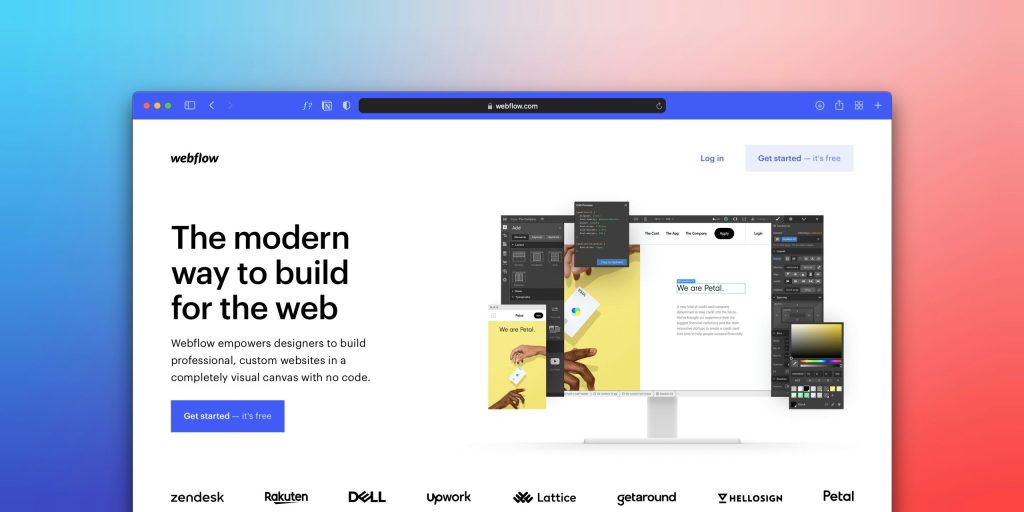
In the digital age, the design of an ecommerce website is not merely a matter of aesthetics; it is a critical component that can significantly influence a business’s success. A well-designed ecommerce site serves as the virtual storefront for a brand, and just like a physical store, it must attract customers, facilitate easy navigation, and ultimately drive sales. The first impression a potential customer has of an online store can determine whether they choose to explore further or abandon their shopping cart.
Research indicates that 94% of first impressions are design-related, underscoring the necessity for an appealing and functional website. Moreover, effective ecommerce website design goes beyond visual appeal; it encompasses usability and functionality. A site that is difficult to navigate or slow to load can frustrate users, leading to high bounce rates and lost sales opportunities.

According to studies, a one-second delay in page load time can result in a 7% reduction in conversions. Therefore, investing in quality design is not just about creating an attractive interface; it is about optimizing the user journey to enhance engagement and conversion rates. This multifaceted approach to design is essential for establishing trust and credibility with consumers, which are vital for fostering long-term customer relationships.
Key Takeaways
- A well-designed ecommerce website is crucial for attracting and retaining customers, and ultimately driving sales.
- A successful ecommerce website designer should possess qualities such as creativity, technical skills, and a deep understanding of user behavior.
- User experience plays a critical role in ecommerce website design, as it directly impacts customer satisfaction and conversion rates.
- Mobile responsiveness is essential for ecommerce websites, as a large portion of online shopping is done on mobile devices.
- Visual elements and branding are key components of ecommerce website design, as they help to create a strong and memorable brand identity.
The Top Qualities of a Successful Ecommerce Website Designer

A successful ecommerce website designer possesses a unique blend of technical skills, creativity, and an understanding of consumer behavior. One of the foremost qualities is proficiency in web development technologies such as HTML, CSS, JavaScript, and various content management systems (CMS) like Shopify or WooCommerce. This technical expertise allows designers to create responsive and functional websites that meet the specific needs of their clients.
Additionally, familiarity with graphic design tools such as Adobe Photoshop or Illustrator is crucial for creating visually appealing elements that enhance the overall user experience. Beyond technical skills, a successful ecommerce designer must have a keen sense of aesthetics and branding. They should be able to translate a brand’s identity into a cohesive visual language that resonates with the target audience.
This includes selecting appropriate color schemes, typography, and imagery that align with the brand’s values and message. Furthermore, an understanding of user experience (UX) principles is essential. Designers should be adept at creating intuitive navigation structures and layouts that guide users seamlessly through the purchasing process.
This combination of technical prowess and creative vision is what sets successful ecommerce designers apart from their peers.
The Role of User Experience in Ecommerce Website Design

User experience (UX) plays a pivotal role in ecommerce website design, as it directly impacts how customers interact with a site. A positive UX can lead to increased customer satisfaction, repeat visits, and higher conversion rates. Key elements of UX design include usability, accessibility, and overall satisfaction with the shopping experience.
For instance, a well-structured site with clear categories and filters allows users to find products quickly and efficiently, reducing frustration and enhancing their likelihood of making a purchase. Moreover, UX design encompasses the emotional response users have while navigating an ecommerce site. Elements such as loading speed, mobile optimization, and interactive features contribute to this emotional experience.
For example, incorporating features like product zoom or 360-degree views can provide customers with a more immersive shopping experience, mimicking the tactile interaction they would have in a physical store. Additionally, providing clear calls-to-action (CTAs) and minimizing the number of steps required to complete a purchase can significantly improve the overall user journey. By prioritizing UX in ecommerce design, businesses can create an environment that not only attracts customers but also encourages them to return.
Incorporating Mobile Responsiveness in Ecommerce Website Design
| Metrics | Value |
|---|---|
| Mobile Conversion Rate | 25% |
| Mobile Traffic Share | 40% |
| Mobile Responsiveness Score | 90% |
| Mobile Loading Time | 3 seconds |
With the increasing prevalence of mobile devices for online shopping, incorporating mobile responsiveness into ecommerce website design has become imperative. Mobile responsiveness ensures that a website functions seamlessly across various devices and screen sizes, providing an optimal viewing experience for users regardless of how they access the site. According to Statista, mobile commerce accounted for over 50% of all ecommerce sales in recent years, highlighting the necessity for businesses to prioritize mobile-friendly designs.
A mobile-responsive design typically involves using flexible grids and layouts that adapt to different screen sizes while maintaining usability and aesthetic appeal. This includes optimizing images for faster loading times on mobile networks and ensuring that buttons and links are easily clickable on smaller screens. Additionally, mobile users often have different browsing behaviors compared to desktop users; they may prefer simplified navigation and quicker access to essential information such as shipping details or customer service options.
By understanding these differences and implementing responsive design principles, ecommerce businesses can capture a larger share of the mobile market and enhance customer satisfaction.
Utilizing Visual Elements and Branding in Ecommerce Website Design
Visual elements play a crucial role in ecommerce website design by creating an engaging atmosphere that reflects the brand’s identity. Effective use of imagery, color schemes, typography, and layout can evoke emotions and influence purchasing decisions. High-quality product images are particularly important; they not only showcase the products but also help build trust with potential customers.
Studies show that consumers are more likely to purchase products when they can see detailed images from multiple angles or even videos demonstrating the product in use. Branding is another essential aspect of visual design in ecommerce. A consistent brand identity across all touchpoints—website, social media, packaging—reinforces recognition and loyalty among consumers.
Designers should ensure that the website’s visual elements align with the brand’s overall message and values. For instance, a luxury brand may opt for minimalist design with elegant typography and muted colors to convey sophistication, while a vibrant lifestyle brand might use bold colors and playful fonts to attract a younger audience. By thoughtfully integrating visual elements and branding into ecommerce website design, businesses can create memorable experiences that resonate with their target market.
Implementing Secure Payment Gateways and Checkout Processes

The checkout process is one of the most critical stages in an ecommerce transaction; it is where potential sales can easily be lost if not executed properly. Implementing secure payment gateways is essential for building trust with customers who are increasingly concerned about online security. A secure payment gateway encrypts sensitive information such as credit card details during transactions, protecting both the business and its customers from fraud.
Popular payment gateways like PayPal, Stripe, and Square offer robust security features while also providing convenience for users. In addition to security measures, streamlining the checkout process is vital for reducing cart abandonment rates. Research indicates that nearly 70% of online shopping carts are abandoned before completion, often due to complicated checkout procedures or unexpected costs appearing late in the process.
To combat this issue, designers should aim for a simplified checkout experience that minimizes the number of steps required to complete a purchase. Features such as guest checkout options, auto-fill forms for returning customers, and transparent pricing can significantly enhance user satisfaction during this critical phase.
The Impact of SEO and Digital Marketing on Ecommerce Website Design
Search engine optimization (SEO) is integral to ecommerce website design as it directly affects visibility on search engines like Google. A well-optimized site not only attracts organic traffic but also enhances user experience by ensuring that content is relevant and easily accessible. Key SEO practices include optimizing product descriptions with relevant keywords, using alt tags for images, and ensuring fast loading times—all of which should be considered during the design phase.
Digital marketing strategies also play a significant role in driving traffic to an ecommerce site. Integrating social media sharing buttons into product pages can encourage users to share their favorite items with their networks, effectively leveraging word-of-mouth marketing. Additionally, incorporating email marketing sign-up forms can help build a customer database for future promotions or newsletters.
By aligning SEO practices with digital marketing efforts during the design process, businesses can create a cohesive strategy that maximizes their online presence and drives sales.
Case Studies of Successful Ecommerce Website Designs
Examining successful case studies provides valuable insights into effective ecommerce website design strategies. One notable example is Warby Parker, an eyewear retailer that revolutionized online shopping by offering a seamless user experience combined with strong branding elements. Their website features clean lines, ample white space, and high-quality images that showcase their products effectively.
Warby Parker also incorporates an innovative virtual try-on feature using augmented reality technology, allowing customers to visualize how glasses will look on their faces before making a purchase. Another exemplary case is ASOS, a global fashion retailer known for its mobile-first approach to ecommerce design. ASOS’s website is optimized for mobile devices with easy navigation and quick loading times.
They utilize personalized recommendations based on browsing history and preferences to enhance user engagement. Additionally, ASOS employs social proof by showcasing customer reviews and ratings prominently on product pages, which helps build trust among potential buyers. These case studies illustrate how thoughtful design choices can lead to increased customer satisfaction and higher conversion rates in the competitive world of ecommerce.
By analyzing successful examples like Warby Parker and ASOS, other businesses can glean insights into effective strategies that resonate with consumers while driving sales growth.