
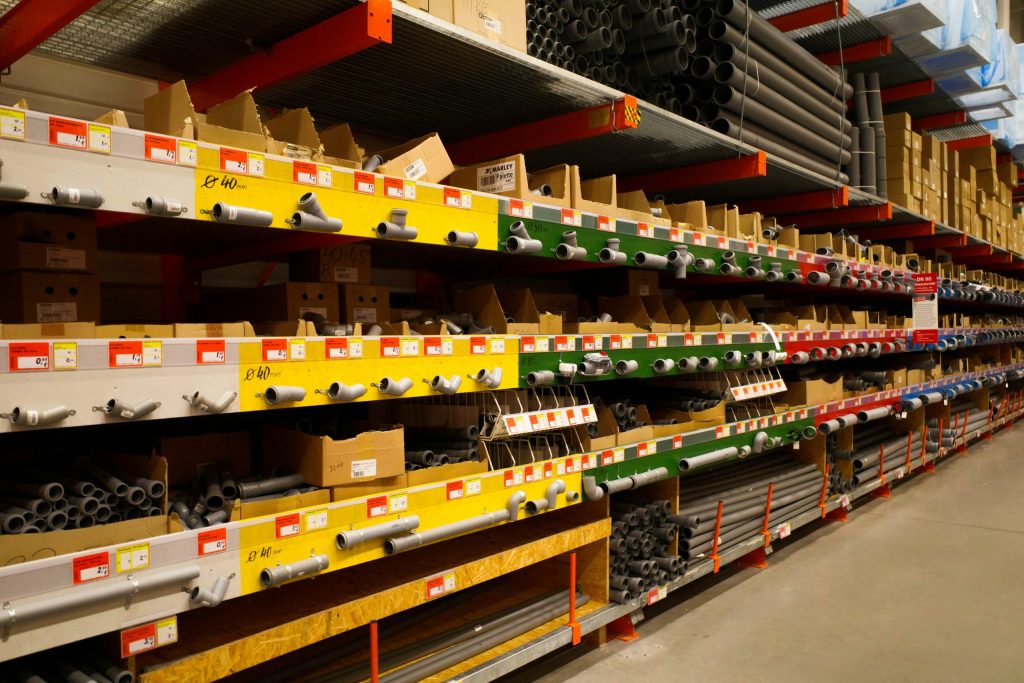
In the fast-paced world of eCommerce, effective inventory management is crucial for maintaining a competitive edge. Streamlining inventory processes not only enhances operational efficiency but also significantly impacts customer satisfaction and overall profitability. When businesses optimize their inventory management, they can reduce excess stock, minimize stockouts, and improve cash flow.
This is particularly important in an environment where consumer preferences can shift rapidly, and the ability to respond to these changes can determine a company’s success or failure. Moreover, streamlined inventory management allows businesses to gain better insights into their sales patterns and customer behaviors. By analyzing inventory data, companies can identify which products are performing well and which are not, enabling them to make informed decisions about restocking and discontinuing items.
This data-driven approach helps in forecasting demand more accurately, thus reducing the risk of overstocking or understocking. In essence, effective inventory management is not just about keeping track of products; it is about leveraging data to drive strategic decisions that align with market trends and consumer needs.
Key Takeaways
- Streamlining inventory is crucial for reducing costs, improving efficiency, and meeting customer demand.
- Ecommerce management software can help by providing real-time inventory tracking, automated order processing, and data analytics.
- When choosing ecommerce management software, look for features such as inventory forecasting, multi-channel integration, and customizable reporting.
- Integrating ecommerce management software with existing systems can streamline operations and improve data accuracy.
- Case studies show how businesses have successfully streamlined inventory using ecommerce management software, leading to increased sales and customer satisfaction.
How Ecommerce Management Software Can Help

Ecommerce management software serves as a powerful tool for businesses looking to streamline their inventory processes. By automating various aspects of inventory management, such software reduces the manual workload on employees, allowing them to focus on more strategic tasks. For instance, automated stock level monitoring can alert managers when inventory reaches a predefined threshold, ensuring timely reordering and preventing stockouts.
This level of automation not only saves time but also minimizes human error, which can lead to costly mistakes in inventory management. Additionally, ecommerce management software often integrates seamlessly with other business systems, such as accounting and customer relationship management (CRM) platforms. This integration facilitates real-time data sharing across departments, ensuring that everyone has access to the same information.
For example, when a sale is made, the inventory levels are automatically updated across all systems, providing an accurate picture of stock availability. This interconnectedness enhances collaboration among teams and enables businesses to respond more swiftly to changes in demand or supply chain disruptions.
Features to Look for in Ecommerce Management Software

When selecting ecommerce management software, businesses should consider several key features that can significantly enhance their inventory management capabilities. One of the most critical features is real-time inventory tracking. This functionality allows businesses to monitor stock levels across multiple sales channels simultaneously, providing a comprehensive view of inventory status.
Real-time tracking helps prevent overselling and ensures that customers receive accurate information about product availability. Another essential feature is demand forecasting. Advanced ecommerce management software utilizes historical sales data and market trends to predict future demand for products.
This capability enables businesses to make informed decisions about purchasing and stocking items, ultimately reducing excess inventory and associated carrying costs. Additionally, features such as automated reorder points and supplier management tools can streamline the procurement process, ensuring that businesses maintain optimal stock levels without overcommitting resources.
Integrating Ecommerce Management Software with Existing Systems
| Metrics | Value |
|---|---|
| Integration Time | 3-6 months |
| Cost of Integration | Varies based on complexity |
| System Downtime | Minimal with proper planning |
| Training Required | Depends on user familiarity |
| Impact on Operations | Improved efficiency and data accuracy |
Integrating ecommerce management software with existing systems is a critical step in maximizing its effectiveness. Many businesses operate with a variety of software solutions for different functions, such as accounting, customer service, and logistics. A successful integration strategy ensures that these systems communicate effectively with the new ecommerce management software, creating a cohesive ecosystem that enhances overall operational efficiency.
To achieve seamless integration, businesses should prioritize software solutions that offer robust APIs (Application Programming Interfaces) or pre-built connectors for popular platforms. This allows for easy data transfer between systems without requiring extensive custom development. For instance, integrating ecommerce management software with an existing ERP (Enterprise Resource Planning) system can streamline financial reporting and inventory valuation processes.
Furthermore, training staff on how to navigate these integrated systems is essential for ensuring that the transition is smooth and that employees can leverage the full capabilities of the new software.
Case Studies: Success Stories of Streamlining Inventory with Ecommerce Management Software
Numerous companies have successfully streamlined their inventory management processes through the implementation of ecommerce management software. One notable example is a mid-sized fashion retailer that faced challenges with overstocking and frequent stockouts due to inefficient manual tracking methods. After adopting an ecommerce management solution with real-time inventory tracking and demand forecasting capabilities, the retailer was able to reduce excess inventory by 30% within six months.
The software’s automated alerts for low stock levels enabled timely reordering, resulting in improved product availability and increased customer satisfaction. Another compelling case study involves a home goods eCommerce business that struggled with managing inventory across multiple sales channels, including its website and third-party marketplaces like Amazon and eBay. By implementing an integrated ecommerce management system, the company achieved centralized control over its inventory.
This integration allowed for real-time updates across all platforms whenever a sale occurred, eliminating discrepancies and reducing the risk of overselling. As a result, the business saw a 25% increase in sales within the first year due to improved customer trust and satisfaction stemming from accurate product availability.
Training and Support for Implementing Ecommerce Management Software

The successful implementation of ecommerce management software hinges on effective training and ongoing support for staff members. Businesses must recognize that even the most advanced software will not yield results if employees are not adequately trained to use it. A comprehensive training program should cover all aspects of the software, from basic navigation to advanced features like reporting and analytics.
In addition to initial training sessions, ongoing support is vital for addressing any challenges that may arise post-implementation. Many software providers offer dedicated support teams or online resources such as tutorials and forums where users can seek assistance. Establishing a feedback loop where employees can share their experiences and suggest improvements can also enhance the overall effectiveness of the software.
By fostering a culture of continuous learning and adaptation, businesses can ensure that they maximize the benefits of their ecommerce management software.
Best Practices for Using Ecommerce Management Software to Streamline Inventory
To fully leverage ecommerce management software for inventory streamlining, businesses should adopt several best practices. First and foremost, maintaining accurate data is essential. Regularly auditing inventory records and ensuring that all product information is up-to-date will help prevent discrepancies that can lead to stockouts or overstocking issues.
Implementing barcode scanning technology can further enhance accuracy by automating data entry processes. Another best practice involves utilizing analytics features within the software to gain insights into sales trends and customer preferences. By regularly reviewing these analytics reports, businesses can make informed decisions about product offerings and marketing strategies.
Additionally, establishing clear communication channels between departments—such as sales, marketing, and logistics—can facilitate better collaboration and ensure that everyone is aligned on inventory goals.
Future Trends in Ecommerce Management Software for Inventory Management
As technology continues to evolve, so too will ecommerce management software capabilities for inventory management. One emerging trend is the integration of artificial intelligence (AI) and machine learning algorithms into these systems. These technologies can analyze vast amounts of data to identify patterns and predict future demand with greater accuracy than traditional methods.
This predictive capability will enable businesses to optimize their inventory levels proactively rather than reactively. Another trend is the increasing emphasis on sustainability within supply chain management. As consumers become more environmentally conscious, ecommerce businesses are seeking ways to reduce waste in their operations.
Future ecommerce management software may incorporate features that help companies track their carbon footprint related to inventory practices or suggest eco-friendly suppliers based on sustainability criteria. In conclusion, streamlining inventory through effective ecommerce management software is not just a trend but a necessity in today’s competitive landscape. By understanding its importance, leveraging advanced features, integrating systems effectively, and adopting best practices, businesses can position themselves for success in an ever-evolving market environment.
