
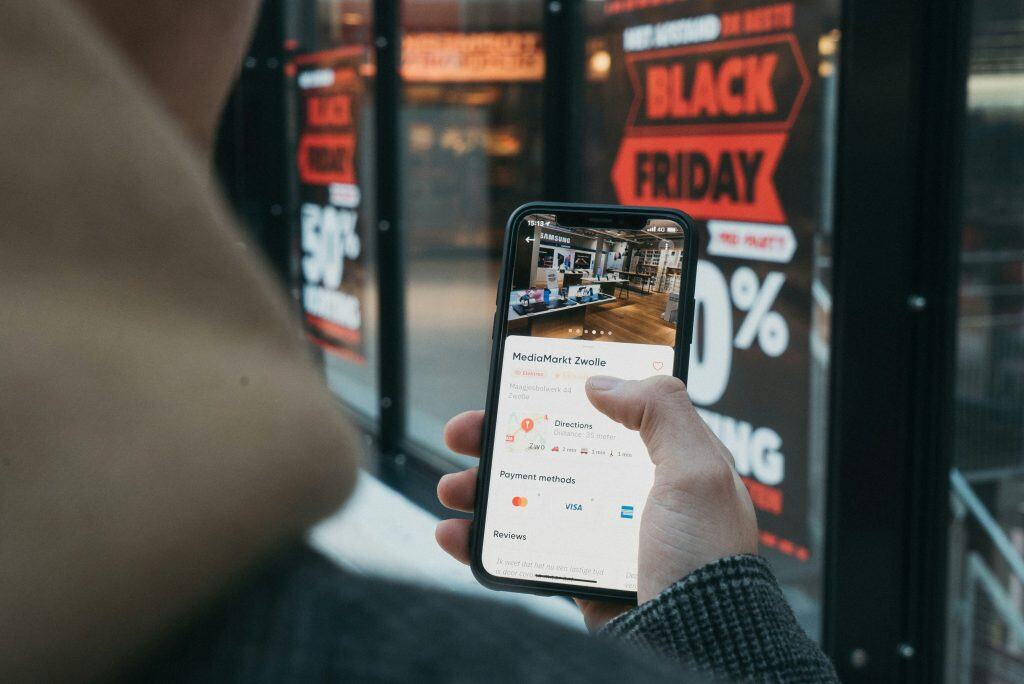
The rise of online shopping has transformed the retail landscape in unprecedented ways. Over the past two decades, the internet has evolved from a niche platform for tech-savvy consumers to a mainstream marketplace that caters to millions worldwide. The advent of e-commerce giants like Amazon and Alibaba has not only set new standards for convenience and selection but has also reshaped consumer expectations.
With just a few clicks, shoppers can access a vast array of products, compare prices, read reviews, and have items delivered to their doorsteps within days, if not hours. This shift has been accelerated by the proliferation of smartphones, which have made online shopping accessible anytime and anywhere. Moreover, the COVID-19 pandemic acted as a catalyst for the growth of online shopping, as lockdowns and social distancing measures forced consumers to turn to digital platforms for their purchasing needs.
According to a report by McKinsey, e-commerce penetration in the U.S. surged from 16% in 2019 to 44% in 2020, highlighting a significant behavioral shift among consumers. This rapid adoption of online shopping has prompted traditional retailers to enhance their digital presence, invest in e-commerce capabilities, and rethink their business models to remain competitive in an increasingly digital marketplace.
Key Takeaways
- Online shopping has seen a significant rise in recent years, with more consumers turning to the internet for their shopping needs.
- Technology has had a profound impact on retail, revolutionizing the way businesses operate and interact with customers.
- Customer experience has evolved to become more personalized and seamless, with the use of technology and data to cater to individual preferences.
- Data plays a crucial role in ecommerce, helping businesses understand consumer behavior and make informed decisions to improve their offerings.
- Omnichannel retailing is essential for businesses to provide a seamless shopping experience across various platforms and channels.
The Impact of Technology on Retail

Technology has played a pivotal role in reshaping the retail sector, driving innovation and efficiency across various facets of the industry. From supply chain management to customer engagement, advancements in technology have enabled retailers to streamline operations and enhance the shopping experience. For instance, the integration of artificial intelligence (AI) and machine learning algorithms allows retailers to analyze consumer behavior patterns, predict trends, and personalize marketing efforts.
This level of customization not only improves customer satisfaction but also fosters brand loyalty. Additionally, technologies such as augmented reality (AR) and virtual reality (VR) are revolutionizing how consumers interact with products before making a purchase. Retailers like IKEA have embraced AR to allow customers to visualize how furniture would look in their homes through mobile applications.
This immersive experience reduces uncertainty and enhances confidence in purchasing decisions. Furthermore, the implementation of chatbots and virtual assistants on e-commerce websites provides instant support to customers, addressing queries and guiding them through the buying process, thereby improving overall customer service.
The Evolution of Customer Experience

The evolution of customer experience in retail has been marked by a shift from transactional interactions to more personalized and engaging relationships between brands and consumers. In the past, shopping was often a straightforward process focused primarily on price and product availability. However, today’s consumers expect a seamless experience that encompasses convenience, personalization, and emotional connection.
Retailers are increasingly recognizing that delivering exceptional customer experiences is essential for differentiation in a crowded marketplace. To meet these evolving expectations, many retailers are investing in omnichannel strategies that integrate online and offline experiences. For example, brands like Sephora have successfully created a cohesive shopping journey by allowing customers to browse products online, receive personalized recommendations based on their preferences, and then visit physical stores for hands-on experiences.
This approach not only enhances customer satisfaction but also drives sales by encouraging cross-channel interactions. Furthermore, retailers are leveraging customer feedback through surveys and social media engagement to continuously refine their offerings and address pain points in the shopping journey.
The Role of Data in Ecommerce
| Metrics | Data |
|---|---|
| Conversion Rate | Percentage of website visitors who make a purchase |
| Customer Lifetime Value | Total revenue a customer will generate over their lifetime |
| Cart Abandonment Rate | Percentage of online shopping carts that are abandoned before purchase |
| Customer Acquisition Cost | Cost of acquiring a new customer through marketing and sales efforts |
| Average Order Value | Average amount spent by customers in a single transaction |
Data has become the lifeblood of e-commerce, providing invaluable insights that drive decision-making and strategy formulation. Retailers are harnessing vast amounts of data generated from various sources—such as website traffic, purchase history, and social media interactions—to gain a deeper understanding of consumer behavior. This data-driven approach enables businesses to identify trends, segment their audience effectively, and tailor marketing campaigns to specific demographics.
For instance, companies like Netflix utilize data analytics to recommend content based on user preferences and viewing history, creating a personalized experience that keeps customers engaged. Similarly, e-commerce platforms can analyze shopping patterns to optimize inventory management and pricing strategies. Predictive analytics allows retailers to forecast demand accurately, reducing excess inventory costs while ensuring that popular products are readily available.
As data privacy concerns continue to grow, retailers must also navigate the complexities of ethical data usage while leveraging insights to enhance customer experiences.
The Importance of Omnichannel Retailing
Omnichannel retailing has emerged as a critical strategy for businesses seeking to thrive in today’s competitive environment. This approach integrates multiple channels—such as physical stores, online platforms, mobile apps, and social media—to create a unified shopping experience for consumers. The goal is to provide customers with flexibility and convenience while ensuring consistency across all touchpoints.
Research indicates that customers who engage with brands through multiple channels tend to spend more than those who shop through a single channel. Retailers like Target exemplify successful omnichannel strategies by offering services such as buy online, pick up in-store (BOPIS), which allows customers to shop at their convenience while still benefiting from immediate product access. Additionally, seamless integration between online and offline channels enables retailers to maintain accurate inventory levels and provide real-time updates on product availability.
As consumers increasingly expect a cohesive experience regardless of how they choose to shop, businesses that prioritize omnichannel retailing are better positioned to meet these demands and foster long-term customer loyalty.
The Future of Brick-and-Mortar Stores

Despite the rapid growth of e-commerce, brick-and-mortar stores continue to play a vital role in the retail ecosystem. However, their future is likely to be characterized by significant transformation rather than obsolescence. Physical stores are evolving into experiential hubs where customers can engage with products in meaningful ways.
Retailers are reimagining store layouts and incorporating technology to create immersive experiences that cannot be replicated online. For example, brands like Apple have successfully turned their retail locations into community spaces where customers can attend workshops, receive personalized support, and explore new products hands-on. This shift towards experiential retail not only enhances customer engagement but also drives foot traffic and encourages impulse purchases.
Additionally, retailers are leveraging data analytics to optimize store locations based on demographic trends and consumer behavior patterns, ensuring that physical stores are strategically positioned to capture local markets effectively.
Sustainability in Retail and Ecommerce
Sustainability has become an increasingly important consideration for both consumers and retailers in recent years. As awareness of environmental issues grows, shoppers are seeking brands that prioritize ethical practices and sustainable sourcing. Retailers are responding by implementing eco-friendly initiatives throughout their supply chains—from sourcing materials responsibly to reducing waste in packaging and shipping processes.
Companies like Patagonia have built their brand identity around sustainability by promoting environmentally conscious practices such as using recycled materials and encouraging customers to repair rather than replace their products. Additionally, many retailers are adopting circular economy principles by offering take-back programs or recycling initiatives that allow consumers to return used items for repurposing or recycling. As sustainability becomes a key differentiator in consumer decision-making, retailers that embrace eco-friendly practices are likely to gain a competitive edge while contributing positively to the planet.
The Influence of Social Media on Shopping Trends
Social media has emerged as a powerful force shaping shopping trends and consumer behavior in the digital age. Platforms like Instagram, TikTok, and Pinterest have transformed into visual marketplaces where brands can showcase their products through engaging content and influencer partnerships. The rise of social commerce—where users can discover and purchase products directly through social media—has further blurred the lines between social interaction and shopping.
Influencers play a crucial role in this landscape by leveraging their reach and authenticity to promote products to their followers. Brands collaborate with influencers not only for product endorsements but also for creating authentic narratives that resonate with target audiences. For instance, beauty brands often partner with makeup artists on platforms like YouTube or Instagram to demonstrate product usage through tutorials or reviews, driving engagement and conversions simultaneously.
As social media continues to evolve as a shopping platform, retailers must adapt their marketing strategies to harness its potential effectively while fostering genuine connections with consumers through compelling storytelling and community engagement.
