
Managed ecommerce refers to a comprehensive service model where businesses outsource the management of their online retail operations to specialized providers. This approach allows companies to focus on their core competencies while leveraging the expertise of professionals who understand the intricacies of online selling. Managed ecommerce encompasses various aspects, including website design, inventory management, order fulfillment, and customer service.
By entrusting these responsibilities to a managed service provider, businesses can benefit from enhanced efficiency, reduced operational costs, and improved scalability. The managed ecommerce model is particularly advantageous for small to medium-sized enterprises (SMEs) that may lack the resources or expertise to effectively manage an online store. These providers often offer tailored solutions that cater to the unique needs of each business, ensuring that they can compete in an increasingly crowded digital marketplace.
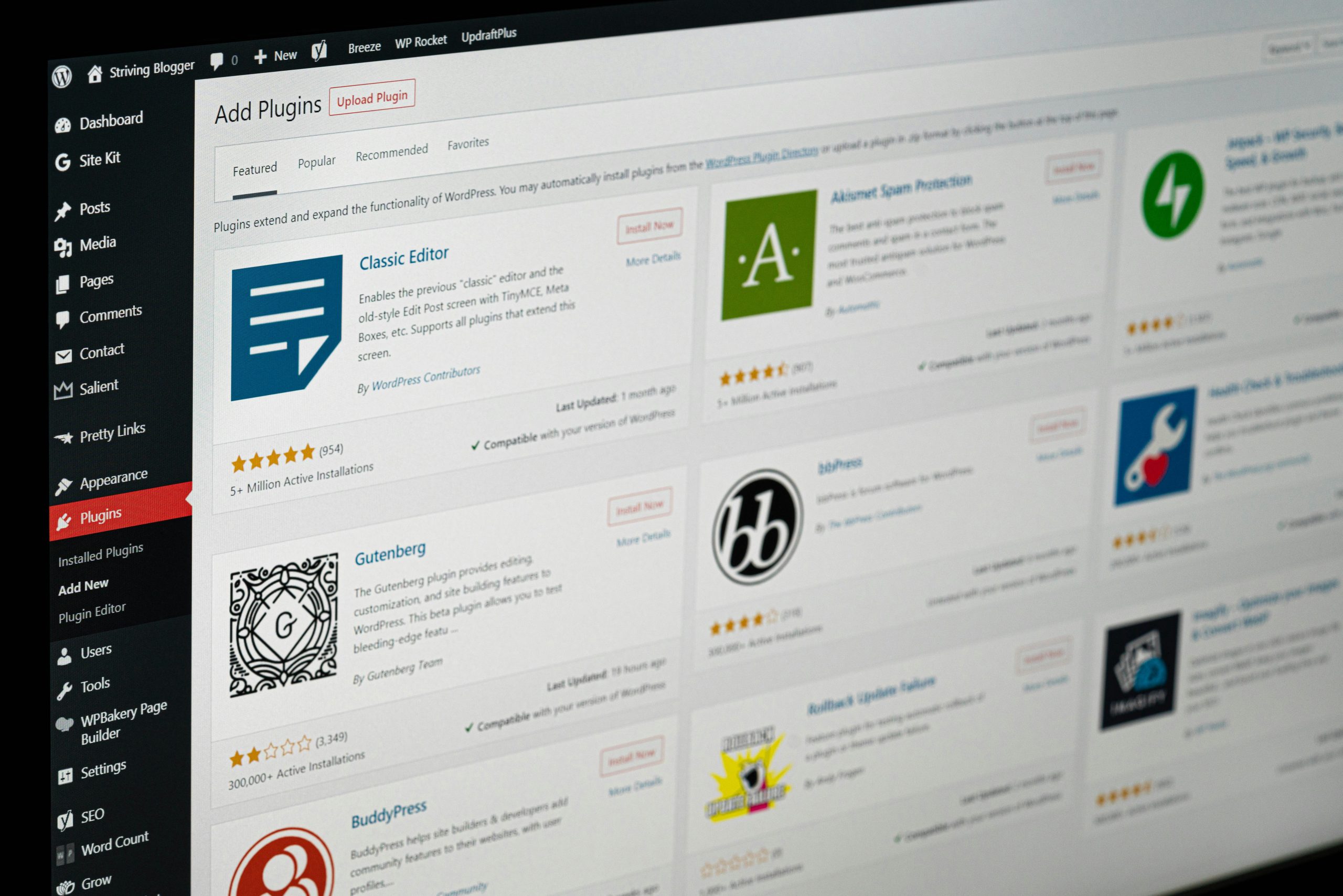
For instance, a managed ecommerce service might include advanced analytics tools that help businesses track customer behavior and sales trends, enabling them to make data-driven decisions. Additionally, these services often come with built-in marketing support, allowing businesses to reach their target audience more effectively.
Key Takeaways
- Managed ecommerce involves outsourcing the management of your online store to a third-party provider, allowing you to focus on other aspects of your business.
- When choosing the right ecommerce platform, consider factors such as ease of use, customization options, scalability, and integration with other business tools.
- Optimizing product listings and descriptions is crucial for attracting and retaining customers, including high-quality images, detailed descriptions, and relevant keywords.
- Leveraging social media and digital marketing can help increase brand awareness, drive traffic to your ecommerce site, and ultimately boost sales.
- Implementing a customer relationship management (CRM) system can help you better understand and engage with your customers, leading to improved customer satisfaction and loyalty.
- Streamlining the checkout process by minimizing steps and offering multiple payment options can reduce cart abandonment and improve conversion rates.
- Utilizing analytics and data can provide valuable insights into customer behavior, sales trends, and website performance, allowing you to make informed business decisions.
- Providing excellent customer service is essential for building trust and loyalty, and can be achieved through prompt communication, personalized support, and hassle-free returns and exchanges.
Choosing the Right Ecommerce Platform

Selecting the appropriate ecommerce platform is a critical decision that can significantly impact a business’s online success. Various platforms are available, each with its own set of features, pricing structures, and scalability options. Popular choices include Shopify, WooCommerce, Magento, and BigCommerce, among others.
When evaluating these platforms, businesses should consider factors such as ease of use, customization capabilities, payment processing options, and integration with third-party applications. For example, Shopify is renowned for its user-friendly interface and extensive app marketplace, making it an excellent choice for those new to ecommerce. On the other hand, WooCommerce offers greater flexibility and customization for businesses that require a more tailored solution.
Additionally, businesses should assess their long-term growth potential when choosing a platform. A solution that works well for a startup may not be suitable as the business scales. Therefore, it is essential to select a platform that can accommodate future growth without requiring a complete overhaul of the existing system.
Optimizing Product Listings and Descriptions

The optimization of product listings and descriptions is vital for driving traffic and conversions in an ecommerce store. High-quality product images, compelling descriptions, and relevant keywords are essential components of effective listings. Research indicates that consumers are more likely to purchase products that feature clear images and detailed descriptions.
For instance, a study by the eCommerce Foundation found that 76% of online shoppers consider product images to be the most important factor in their purchasing decisions. To optimize product listings effectively, businesses should focus on creating unique and informative descriptions that highlight the benefits and features of each product. This involves understanding the target audience and addressing their pain points or desires.
For example, if a company sells eco-friendly products, emphasizing sustainability in the product description can resonate with environmentally conscious consumers. Additionally, incorporating relevant keywords throughout the listing can improve search engine visibility, making it easier for potential customers to find products.
Leveraging Social Media and Digital Marketing
| Platform | Metrics |
|---|---|
| Likes, Shares, Comments, Click-through rate | |
| Followers, Engagement rate, Impressions | |
| Retweets, Mentions, Follower growth | |
| Connections, Post views, Clicks | |
| Website | Visitors, Page views, Conversion rate |
In today’s digital landscape, social media and digital marketing play a crucial role in driving traffic to ecommerce sites and increasing brand awareness. Platforms such as Facebook, Instagram, Twitter, and Pinterest offer unique opportunities for businesses to engage with their audience and promote their products. For instance, Instagram’s visual nature makes it an ideal platform for showcasing products through high-quality images and engaging stories.
Digital marketing strategies such as search engine optimization (SEO), pay-per-click (PPC) advertising, and email marketing are also essential components of a successful ecommerce strategy. SEO helps improve organic search rankings, while PPC advertising allows businesses to target specific demographics with tailored ads. Email marketing remains one of the most effective ways to nurture leads and retain customers by providing personalized content and promotions.
By integrating these strategies into their overall marketing plan, businesses can create a cohesive approach that maximizes their reach and drives sales.
Implementing Customer Relationship Management (CRM) Systems
Customer Relationship Management (CRM) systems are invaluable tools for managing interactions with customers and streamlining business processes. These systems enable businesses to collect and analyze customer data, track sales leads, and manage customer support inquiries more effectively. By implementing a CRM system, companies can gain insights into customer behavior and preferences, allowing them to tailor their marketing efforts accordingly.
For example, a CRM system can help identify repeat customers and segment them based on their purchasing history. This information can be used to create targeted marketing campaigns or personalized offers that resonate with specific customer segments. Additionally, CRM systems often include automation features that streamline communication with customers through email follow-ups or reminders about abandoned shopping carts.
By enhancing customer engagement through personalized interactions, businesses can foster loyalty and increase retention rates.
Streamlining the Checkout Process

A seamless checkout process is critical for reducing cart abandonment rates and improving overall conversion rates in ecommerce stores. Research shows that nearly 70% of online shoppers abandon their carts before completing a purchase, often due to complicated or lengthy checkout procedures. To mitigate this issue, businesses should focus on simplifying the checkout experience by minimizing the number of steps required to complete a transaction.
Implementing features such as guest checkout options can significantly enhance user experience by allowing customers to make purchases without creating an account. Additionally, offering multiple payment options—such as credit cards, digital wallets like PayPal or Apple Pay, and even buy-now-pay-later services—can cater to diverse customer preferences. Furthermore, providing clear information about shipping costs and delivery times upfront can help manage customer expectations and reduce friction during the checkout process.
Utilizing Analytics and Data to Drive Sales
Data analytics plays a pivotal role in informing business decisions and driving sales in ecommerce. By leveraging analytics tools, businesses can gain valuable insights into customer behavior, sales trends, and website performance metrics. This data-driven approach enables companies to identify areas for improvement and optimize their marketing strategies accordingly.
For instance, analyzing website traffic data can reveal which products are most popular among customers or which marketing channels drive the most traffic. Businesses can use this information to allocate resources more effectively or adjust their product offerings based on consumer demand. Additionally, A/B testing different marketing campaigns or website layouts can provide insights into what resonates best with customers.
By continuously monitoring performance metrics and adapting strategies based on data insights, businesses can enhance their overall effectiveness in driving sales.
Providing Excellent Customer Service
Exceptional customer service is a cornerstone of successful ecommerce operations. In an online environment where customers cannot physically interact with products or sales representatives, providing timely and effective support becomes even more critical. Businesses should prioritize creating multiple channels for customer support—such as live chat, email support, and phone assistance—to ensure that customers can easily reach out with inquiries or issues.
Moreover, training customer service representatives to handle various scenarios effectively can lead to higher customer satisfaction rates. Empowering staff with product knowledge enables them to provide accurate information and resolve issues promptly. Additionally, soliciting feedback from customers after interactions can help identify areas for improvement in service delivery.
By fostering a culture of excellent customer service, businesses can build trust with their audience and encourage repeat purchases while enhancing their overall brand reputation in the competitive ecommerce landscape.