
The integration of Appstore with Shopify represents a significant advancement in the e-commerce landscape, allowing merchants to enhance their online stores with a plethora of applications designed to improve functionality and user experience. Shopify, a leading e-commerce platform, provides a robust framework for businesses to create and manage their online presence. The Appstore serves as a marketplace where merchants can discover, install, and utilize various applications that cater to their specific needs.
This integration not only simplifies the process of enhancing an online store but also empowers merchants to customize their offerings, streamline operations, and ultimately drive sales. At its core, the Appstore Shopify integration allows for seamless connectivity between the Shopify platform and third-party applications. This means that merchants can easily add features such as inventory management, customer relationship management (CRM), marketing automation, and analytics tools without needing extensive technical knowledge.
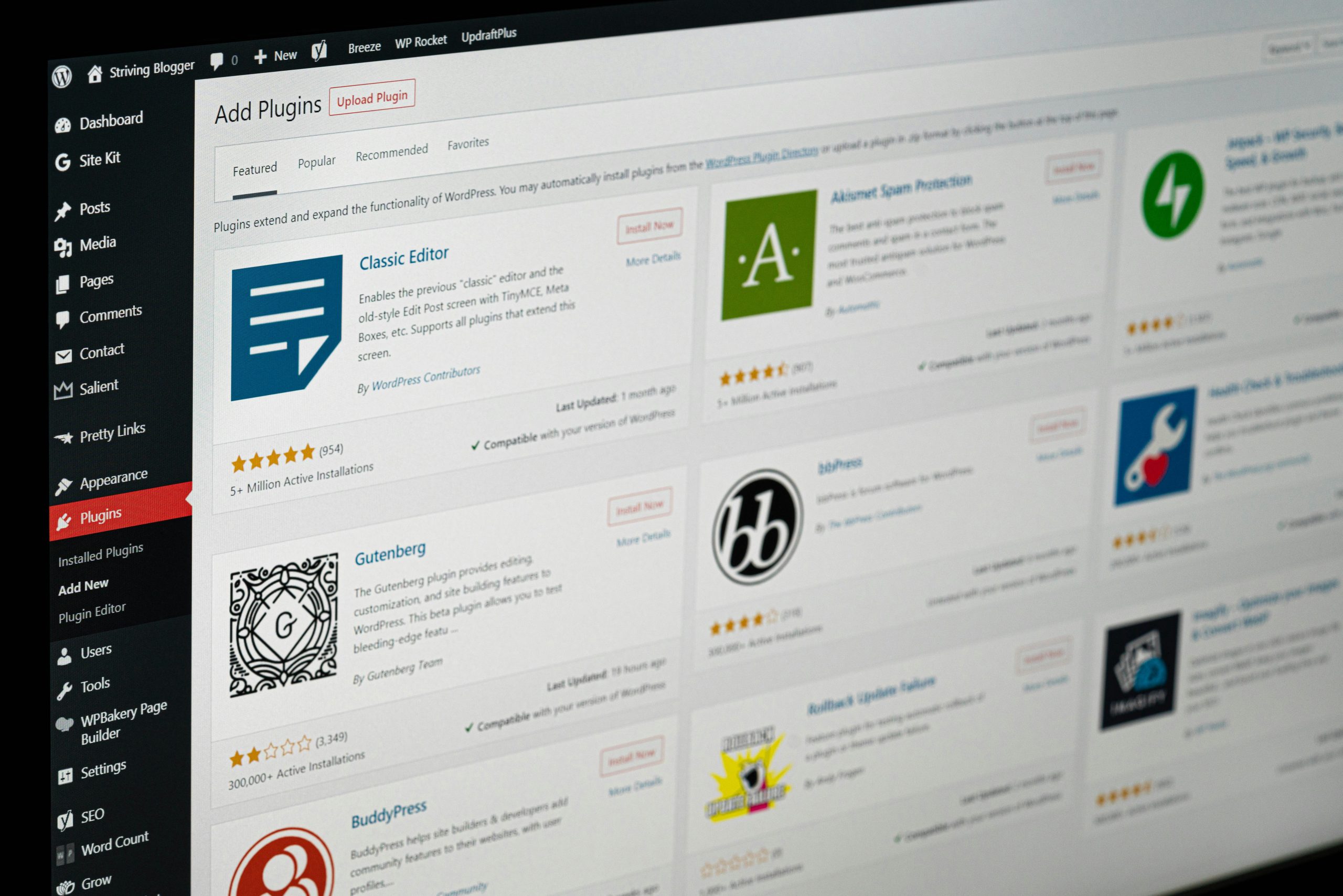
The ease of installation and configuration is a significant advantage, as it enables businesses of all sizes to leverage advanced functionalities that were once only accessible to larger enterprises with dedicated IT resources. By tapping into the Appstore, Shopify merchants can stay competitive in an ever-evolving digital marketplace.
Key Takeaways
- Appstore Shopify Integration allows merchants to seamlessly connect their Shopify store with various apps and services available on the Appstore.
- Merchants can leverage Appstore features such as app recommendations, reviews, and ratings to increase sales and improve customer satisfaction.
- Optimizing product listings on the Appstore can help merchants stand out and attract more potential customers.
- Shopify provides a range of tools and resources to help merchants integrate their store with the Appstore and manage their app installations.
- Implementing effective marketing strategies, such as promotions and targeted advertising, can help merchants drive sales and increase visibility on the Appstore.
- Monitoring and analyzing sales data from the Appstore can provide valuable insights for merchants to make informed business decisions and optimize their strategies.
- Streamlining customer experience through Appstore integration can lead to higher customer satisfaction and repeat purchases.
- Keeping an eye on future trends and innovations in Appstore Shopify Integration can help merchants stay ahead of the competition and adapt to changing market dynamics.
Leveraging Appstore Features for Sales

The Appstore is replete with features that can significantly enhance sales performance for Shopify merchants. One of the most impactful features is the ability to integrate advanced marketing tools that facilitate targeted advertising and customer engagement. For instance, applications that specialize in email marketing can help businesses create personalized campaigns based on customer behavior and preferences.
By utilizing these tools, merchants can effectively reach out to potential customers with tailored messages that resonate with their interests, thereby increasing the likelihood of conversion. Moreover, the Appstore offers various applications designed to optimize the checkout process, which is crucial for reducing cart abandonment rates. Features such as one-click checkout, abandoned cart recovery, and upselling suggestions can be integrated into a Shopify store to enhance the purchasing experience.
For example, an app that sends automated reminders to customers who have left items in their carts can significantly boost sales by encouraging them to complete their purchases. By leveraging these features, merchants can create a more efficient and user-friendly shopping experience that ultimately drives revenue growth.
Optimizing Product Listings for Appstore

Optimizing product listings is a critical aspect of maximizing visibility and sales on the Appstore. A well-optimized product listing not only attracts potential customers but also improves search rankings within the Appstore itself. To achieve this, merchants should focus on several key elements: high-quality images, compelling product descriptions, and relevant keywords.
High-resolution images that showcase products from multiple angles can significantly enhance customer engagement and trust. Additionally, incorporating lifestyle images that depict products in use can help customers visualize their potential purchases. Compelling product descriptions are equally important; they should be informative yet engaging, highlighting the unique selling points of each item.
Utilizing storytelling techniques can make descriptions more relatable and memorable. Furthermore, incorporating relevant keywords throughout the listing can improve searchability within the Appstore. This involves conducting keyword research to identify terms that potential customers are likely to use when searching for products similar to those offered by the merchant.
By strategically placing these keywords in titles, descriptions, and tags, merchants can enhance their visibility and attract more traffic to their listings.
Utilizing Shopify Tools for Appstore Integration
| Metrics | Results |
|---|---|
| Number of apps integrated | 25 |
| Integration time | 2-3 weeks |
| User satisfaction | 4.5/5 |
| Appstore visibility | Increased by 30% |
Shopify provides a suite of tools designed to facilitate seamless integration with the Appstore, enabling merchants to maximize their operational efficiency. One of the most valuable tools is the Shopify API (Application Programming Interface), which allows developers to create custom applications tailored to specific business needs. This flexibility means that merchants can integrate unique functionalities that may not be available through off-the-shelf applications in the Appstore.
Additionally, Shopify’s built-in analytics tools provide valuable insights into customer behavior and sales performance. By analyzing data such as traffic sources, conversion rates, and customer demographics, merchants can make informed decisions about which Appstore applications to implement and how to optimize their usage. For instance, if analytics reveal that a particular product category is underperforming, merchants can explore Appstore solutions focused on enhancing visibility or marketing for those specific products.
This data-driven approach ensures that businesses are not only integrating applications but are also doing so in a way that aligns with their overall sales strategy.
Implementing Marketing Strategies for Appstore Sales
Effective marketing strategies are essential for driving sales through the Appstore integration with Shopify. One powerful approach is leveraging social media platforms to promote products and engage with customers. By utilizing apps that facilitate social media integration, merchants can easily share product listings across various channels such as Facebook, Instagram, and Pinterest.
These platforms offer unique opportunities for visual storytelling and direct engagement with potential customers, making them ideal for driving traffic back to the Shopify store. Another effective marketing strategy involves utilizing influencer partnerships. Collaborating with influencers who align with a brand’s values can significantly amplify reach and credibility.
Merchants can use Appstore applications designed for influencer marketing to identify suitable partners and manage campaigns efficiently. By providing influencers with unique discount codes or affiliate links, businesses can track conversions directly attributed to these partnerships, allowing for precise measurement of return on investment (ROI). This targeted approach not only enhances brand visibility but also fosters trust among potential customers.
Monitoring and Analyzing Appstore Sales Data

Monitoring and analyzing sales data is crucial for understanding the effectiveness of Appstore integrations and making informed business decisions. Shopify provides comprehensive analytics tools that allow merchants to track key performance indicators (KPIs) such as sales volume, average order value, and customer acquisition costs. By regularly reviewing this data, businesses can identify trends and patterns that inform their marketing strategies and operational adjustments.
For instance, if data reveals that certain products are consistently performing well during specific times of the year or in response to particular marketing campaigns, merchants can capitalize on these insights by adjusting inventory levels or ramping up promotional efforts during peak periods. Additionally, analyzing customer feedback collected through Appstore applications can provide valuable insights into areas for improvement. By addressing customer concerns or enhancing product offerings based on feedback, businesses can foster loyalty and encourage repeat purchases.
Streamlining Customer Experience with Appstore Integration
A seamless customer experience is paramount in e-commerce, and integrating the right applications from the Appstore can significantly enhance this aspect of a Shopify store. One way to streamline customer experience is through chatbots and live chat applications that provide instant support to visitors. These tools enable businesses to address customer inquiries in real-time, reducing friction during the shopping process and increasing the likelihood of conversion.
Furthermore, integrating loyalty programs through Appstore applications can enhance customer retention by rewarding repeat purchases. These programs encourage customers to return by offering points or discounts based on their purchasing behavior. By creating a sense of community and appreciation among customers, businesses can foster long-term relationships that translate into sustained revenue growth.
The combination of responsive support systems and loyalty incentives creates a holistic approach to customer experience that is essential for success in today’s competitive e-commerce environment.
Future Trends and Innovations in Appstore Shopify Integration
As technology continues to evolve, so too will the landscape of Appstore Shopify integration. One emerging trend is the increasing use of artificial intelligence (AI) and machine learning (ML) within e-commerce applications. These technologies have the potential to revolutionize how businesses interact with customers by providing personalized shopping experiences based on individual preferences and behaviors.
For example, AI-driven recommendation engines can analyze past purchases and browsing history to suggest products that align with a customer’s interests. Additionally, augmented reality (AR) is poised to play a significant role in enhancing product visualization within online stores. Applications that allow customers to virtually try on clothing or visualize furniture in their homes before making a purchase are becoming more prevalent.
This immersive shopping experience not only boosts customer confidence but also reduces return rates by ensuring that customers are satisfied with their choices before completing a purchase. In conclusion, as e-commerce continues to grow and evolve, staying ahead of trends will be crucial for Shopify merchants looking to leverage Appstore integrations effectively. Embracing innovations such as AI-driven personalization and AR technology will not only enhance customer experiences but also position businesses for long-term success in an increasingly competitive market landscape.