
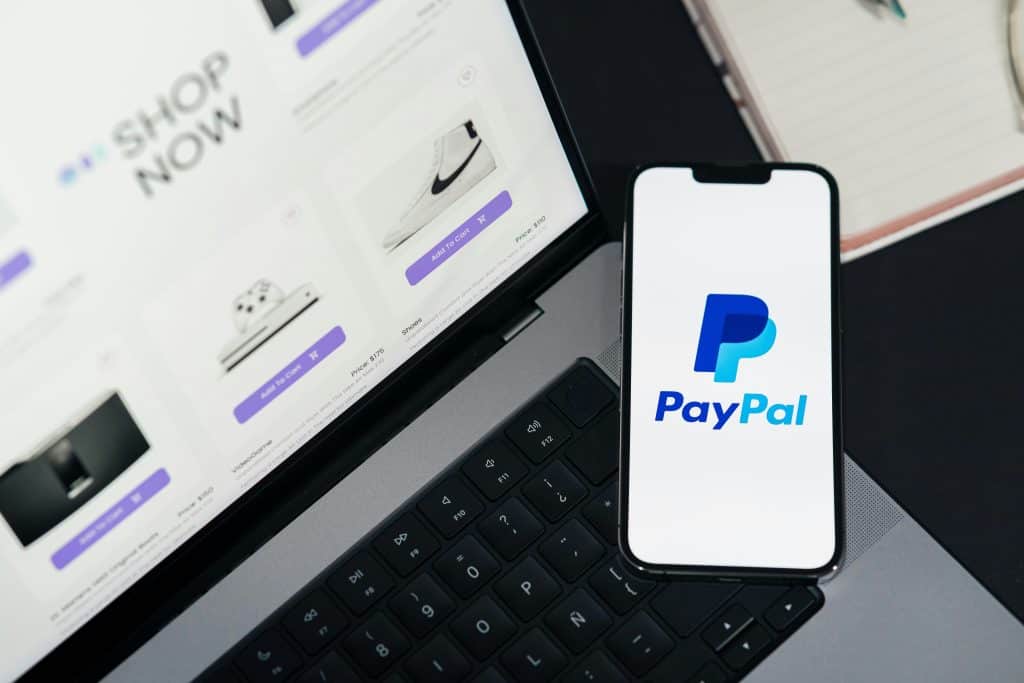
In the digital age, e-commerce has transformed the way consumers shop, making it essential for businesses to establish secure payment systems. The significance of secure e-commerce payment systems cannot be overstated, as they serve as the backbone of online transactions. A secure payment system not only protects sensitive customer information, such as credit card numbers and personal details, but also fosters trust between the consumer and the business.
When customers feel confident that their data is safe, they are more likely to complete purchases, leading to increased sales and customer loyalty. Moreover, the implications of a data breach can be devastating for an e-commerce business. Beyond the immediate financial losses associated with fraud, companies may face legal repercussions, damage to their reputation, and a loss of customer trust.
For instance, high-profile breaches like those experienced by Target and Equifax have shown how quickly consumer confidence can erode. These incidents highlight the necessity for robust security measures in payment processing. By investing in secure payment systems, businesses not only protect themselves from potential threats but also enhance their brand image and customer satisfaction.
Key Takeaways
- Secure e-commerce payment systems are crucial for protecting customer data and maintaining trust in online transactions.
- When choosing an e-commerce payment system, consider factors such as security features, ease of use, and compatibility with your business model.
- Implementing secure payment gateways is essential for safeguarding customer data and preventing unauthorized access.
- Utilize fraud prevention tools to detect and prevent online threats, such as identity theft and payment fraud.
- Optimizing the checkout process and offering multiple payment options can improve the customer experience and increase sales.
Choosing the Right E-Commerce Payment System for Your Business

Selecting an appropriate e-commerce payment system is a critical decision that can significantly impact a business’s operations and customer experience. Various factors must be considered when evaluating different payment solutions, including transaction fees, ease of integration, and the range of payment methods supported. For example, some payment processors charge a flat fee per transaction, while others may take a percentage of each sale.
Understanding these costs is vital for businesses to maintain profitability while providing competitive pricing to customers. Additionally, the technical aspects of integrating a payment system into an existing e-commerce platform should not be overlooked. Some systems offer seamless integration with popular e-commerce platforms like Shopify or WooCommerce, while others may require extensive customization.
Businesses must assess their technical capabilities and resources before making a decision. Furthermore, it is essential to consider the user experience; a complicated or lengthy payment process can lead to cart abandonment. Therefore, choosing a payment system that balances functionality with user-friendliness is crucial for maximizing conversions.
Implementing Secure Payment Gateways to Protect Customer Data

A payment gateway acts as a bridge between a customer’s bank and the merchant’s account, facilitating the transfer of payment information securely. Implementing a secure payment gateway is paramount for protecting customer data during transactions. This involves utilizing encryption technologies such as SSL (Secure Socket Layer) to ensure that sensitive information is transmitted securely over the internet.
SSL certificates create a secure connection between the web server and the browser, making it difficult for unauthorized parties to intercept data. In addition to encryption, businesses should consider employing tokenization as an added layer of security. Tokenization replaces sensitive card information with a unique identifier or token that cannot be used outside of the specific transaction context.
This means that even if a hacker were to gain access to transaction data, they would not be able to use it for fraudulent purposes. By implementing these security measures within their payment gateways, businesses can significantly reduce the risk of data breaches and enhance customer confidence in their e-commerce operations.
Utilizing Fraud Prevention Tools to Safeguard Against Online Threats
| Metrics | Results |
|---|---|
| Number of fraud attempts | 235 |
| Percentage of fraud attempts blocked | 95% |
| Number of successful fraud attempts | 12 |
| Percentage of successful fraud attempts prevented | 80% |
As e-commerce continues to grow, so does the sophistication of online fraud tactics. To combat these threats, businesses must utilize advanced fraud prevention tools that can detect and mitigate fraudulent activities in real-time. These tools often employ machine learning algorithms that analyze transaction patterns and flag suspicious behavior based on historical data.
For instance, if a transaction originates from an unusual geographic location or involves an unusually high purchase amount, the system can automatically trigger additional verification steps. Moreover, implementing multi-factor authentication (MFA) can further bolster security by requiring customers to provide multiple forms of verification before completing a transaction. This could include something they know (like a password), something they have (like a mobile device), or something they are (like biometric data).
By layering these security measures, businesses can create a robust defense against fraud while ensuring that legitimate customers experience minimal friction during the checkout process.
Optimizing the Checkout Process for a Seamless Customer Experience
The checkout process is often where potential sales are lost; therefore, optimizing this experience is crucial for e-commerce success. A streamlined checkout process minimizes distractions and reduces the number of steps required to complete a purchase. For example, businesses can implement features such as guest checkout options that allow customers to make purchases without creating an account.
This can significantly decrease cart abandonment rates, as many customers prefer not to go through lengthy registration processes. Additionally, incorporating auto-fill features for returning customers can enhance convenience by pre-populating fields with saved information. This not only speeds up the checkout process but also reduces the likelihood of errors in data entry.
Furthermore, providing clear progress indicators during checkout can help manage customer expectations and reduce anxiety about how long the process will take. By focusing on these elements, businesses can create a more enjoyable shopping experience that encourages repeat visits and fosters customer loyalty.
Offering Multiple Payment Options to Cater to Customer Preferences

In today’s diverse marketplace, offering multiple payment options is essential for accommodating various customer preferences and enhancing overall satisfaction. Different consumers have different comfort levels with payment methods; some may prefer traditional credit or debit cards, while others might opt for digital wallets like PayPal or Apple Pay due to their convenience and perceived security. By providing a range of options, businesses can cater to these varying preferences and increase their chances of completing sales.
Moreover, emerging payment technologies such as cryptocurrencies are gaining traction among certain demographics. Accepting cryptocurrencies like Bitcoin or Ethereum can position a business as innovative and forward-thinking while attracting tech-savvy customers who value privacy and decentralization in their transactions. However, it’s important for businesses to stay informed about regulatory considerations and market volatility associated with cryptocurrencies before fully integrating them into their payment systems.
Leveraging Data Analytics to Improve Sales and Conversion Rates
Data analytics plays a pivotal role in understanding consumer behavior and optimizing sales strategies in e-commerce. By analyzing transaction data, businesses can identify trends related to purchasing patterns, peak shopping times, and customer demographics. This information can inform marketing strategies and inventory management decisions, allowing businesses to tailor their offerings more effectively to meet customer needs.
For instance, if analytics reveal that a particular product category experiences higher sales during specific seasons or events, businesses can adjust their marketing campaigns accordingly or ensure adequate stock levels during peak times. Additionally, A/B testing different checkout processes or promotional offers can provide insights into what resonates best with customers, ultimately leading to improved conversion rates. By leveraging data analytics effectively, businesses can make informed decisions that drive growth and enhance customer satisfaction.
Ensuring Compliance with Payment Card Industry Data Security Standards (PCI DSS)
Compliance with Payment Card Industry Data Security Standards (PCI DSS) is not just a regulatory requirement; it is also a critical component of maintaining customer trust in e-commerce transactions. PCI DSS outlines a set of security standards designed to protect card information during processing, storage, and transmission. Businesses that handle credit card transactions must adhere to these standards to mitigate risks associated with data breaches.
Achieving PCI compliance involves implementing various security measures such as maintaining a secure network infrastructure, encrypting cardholder data, and regularly monitoring access to sensitive information. Additionally, conducting regular security assessments and vulnerability scans helps identify potential weaknesses in the system before they can be exploited by malicious actors. By prioritizing PCI compliance, businesses not only protect themselves from legal repercussions but also demonstrate their commitment to safeguarding customer data—a crucial factor in building long-term relationships with consumers in the competitive e-commerce landscape.
