
Ecommerce SEO, or search engine optimization for online retail, is a specialized branch of SEO that focuses on improving the visibility of online stores in search engine results pages (SERPs). Unlike traditional SEO, which may target a broad range of content types, ecommerce SEO is specifically tailored to enhance the discoverability of products and categories within an online store. The primary goal is to attract organic traffic that converts into sales, making it essential for ecommerce businesses to implement effective SEO strategies.
This involves understanding how search engines work, what potential customers are searching for, and how to align product offerings with those search queries. The landscape of ecommerce SEO is constantly evolving, influenced by changes in search engine algorithms, consumer behavior, and technological advancements. For instance, Google’s algorithm updates often prioritize user experience, which means that ecommerce sites must not only focus on keyword optimization but also on providing a seamless shopping experience.
Factors such as site speed, mobile-friendliness, and secure payment options play a crucial role in determining a site’s ranking. Therefore, ecommerce businesses must adopt a holistic approach to SEO that encompasses both technical and content-related strategies to ensure they remain competitive in the digital marketplace.
Key Takeaways
- Ecommerce SEO involves optimizing online stores to improve their visibility and rankings on search engine results pages.
- Keyword research and optimization are crucial for ecommerce SEO, as they help identify the terms and phrases potential customers are using to search for products.
- On-page SEO for ecommerce websites includes optimizing product descriptions, meta tags, and URLs to improve search engine visibility.
- Creating high-quality content, such as product guides and blog posts, can help ecommerce websites attract organic traffic and improve SEO performance.
- Optimizing product pages for ecommerce SEO involves using high-quality images, detailed product descriptions, and customer reviews to improve search engine rankings and user experience.
Keyword Research and Optimization

Keyword research is the cornerstone of any successful ecommerce SEO strategy. It involves identifying the terms and phrases that potential customers use when searching for products online. This process begins with brainstorming relevant topics related to the products being sold, followed by using tools like Google Keyword Planner, SEMrush, or Ahrefs to uncover search volume, competition level, and related keywords.
Long-tail keywords, which are typically longer and more specific phrases, often yield higher conversion rates because they target users who are further along in the buying process. For example, instead of targeting a broad term like “shoes,” an ecommerce site might focus on “women’s running shoes for flat feet,” which caters to a specific audience with a clear intent. Once relevant keywords are identified, the next step is optimization.
This involves strategically placing these keywords throughout the website’s content, including product descriptions, category pages, meta titles, and alt text for images. However, it is crucial to maintain a natural flow in the writing; keyword stuffing can lead to penalties from search engines and a poor user experience. Additionally, understanding search intent is vital—keywords should not only be relevant but also align with what users expect when they click on a link.
For instance, if a user searches for “best budget laptops,” they are likely looking for reviews or comparisons rather than direct purchase links. Therefore, tailoring content to meet these expectations can significantly enhance engagement and conversion rates.
On-Page SEO for Ecommerce Websites

On-page SEO refers to the optimization of individual web pages to rank higher and earn more relevant traffic in search engines. For ecommerce websites, this includes optimizing product pages, category pages, and even blog content that supports the overall shopping experience. Key elements of on-page SEO include title tags, meta descriptions, header tags, and URL structures.
Each of these components should incorporate targeted keywords while also being crafted to entice users to click through from the SERPs. For product pages specifically, it is essential to provide comprehensive information that not only highlights the features and benefits of the product but also addresses potential customer questions or concerns. High-quality images and videos can enhance user engagement and provide a better understanding of the product.
Additionally, implementing structured data markup can help search engines understand the content of the page better and may lead to rich snippets in search results—such as star ratings or price information—that can improve click-through rates. Furthermore, ensuring that all on-page elements are optimized for mobile devices is critical, as an increasing number of consumers shop via smartphones and tablets.
Creating High-Quality Content for Ecommerce SEO
| Metrics | Value |
|---|---|
| Organic Traffic | Increased by 30% |
| Conversion Rate | Improved by 20% |
| Page Load Time | Reduced by 40% |
| Bounce Rate | Decreased by 15% |
Content creation plays a pivotal role in ecommerce SEO by providing valuable information that can attract and engage potential customers. High-quality content not only helps in ranking for targeted keywords but also establishes authority and trustworthiness in the eyes of both users and search engines. This can take various forms, including blog posts, buying guides, product comparisons, and customer testimonials.
For instance, an online store selling kitchen appliances might create a blog post titled “Top 10 Must-Have Kitchen Gadgets for Home Chefs,” which not only incorporates relevant keywords but also provides useful information that can drive traffic. Moreover, integrating user-generated content such as reviews and ratings can significantly enhance the credibility of an ecommerce site. Search engines favor fresh content; therefore, regularly updating existing content or adding new articles can keep the site relevant in search results.
Additionally, leveraging social media platforms to share this content can amplify its reach and drive more traffic back to the ecommerce site. Engaging with customers through comments or social media interactions can also provide insights into what content resonates most with the audience, allowing for more targeted future content creation.
Optimizing Product Pages for Ecommerce SEO
Product pages are arguably the most critical aspect of an ecommerce website when it comes to SEO. These pages need to be meticulously optimized to ensure they rank well in search results while also converting visitors into buyers. A well-optimized product page typically includes a unique product title that incorporates primary keywords, a detailed description that highlights features and benefits, high-quality images with descriptive alt text, and customer reviews that add social proof.
In addition to these elements, it is essential to consider the user experience on product pages. This includes ensuring fast loading times, easy navigation between related products or categories, and clear calls-to-action (CTAs) that guide users toward making a purchase. Implementing features such as zoomable images or 360-degree views can enhance user engagement by allowing customers to examine products closely before making a decision.
Furthermore, utilizing internal linking strategies—linking related products or categories within product descriptions—can help distribute page authority throughout the site while also improving navigation for users.
Utilizing Technical SEO for Ecommerce Websites

Technical SEO encompasses various behind-the-scenes elements that contribute to a website’s performance in search engines. For ecommerce websites, this includes optimizing site speed, ensuring mobile responsiveness, implementing secure HTTPS protocols, and creating an XML sitemap that helps search engines crawl the site efficiently. Site speed is particularly crucial; studies have shown that even a one-second delay in loading time can lead to significant drops in conversion rates.
Tools like Google PageSpeed Insights can help identify areas for improvement. Another important aspect of technical SEO is managing duplicate content issues that often arise in ecommerce sites due to similar product descriptions across multiple items or variations of the same product. Implementing canonical tags can signal to search engines which version of a page should be indexed while preventing dilution of page authority across duplicates.
Additionally, structured data markup (schema.org) can enhance how product information appears in SERPs by providing additional context about products such as price, availability, and reviews—further increasing click-through rates.
Building Quality Backlinks for Ecommerce SEO
Backlinks remain one of the most influential factors in determining a website’s authority and ranking potential in search engines. For ecommerce sites, building quality backlinks involves acquiring links from reputable sources within the industry or related niches. This could include collaborations with bloggers or influencers who review products or feature them in their content.
Guest blogging on relevant sites can also be an effective strategy; by providing valuable content in exchange for a backlink to the ecommerce site, businesses can enhance their visibility while establishing themselves as thought leaders in their field. Moreover, creating shareable content such as infographics or comprehensive guides can naturally attract backlinks from other websites looking to provide valuable resources to their audiences. Engaging with online communities through forums or social media platforms can also lead to organic link-building opportunities as users share valuable insights or recommendations about products.
It’s important to focus on quality over quantity; acquiring links from high-authority sites will have a more significant impact on search rankings than numerous links from low-quality sources.
Measuring and Analyzing Ecommerce SEO Success
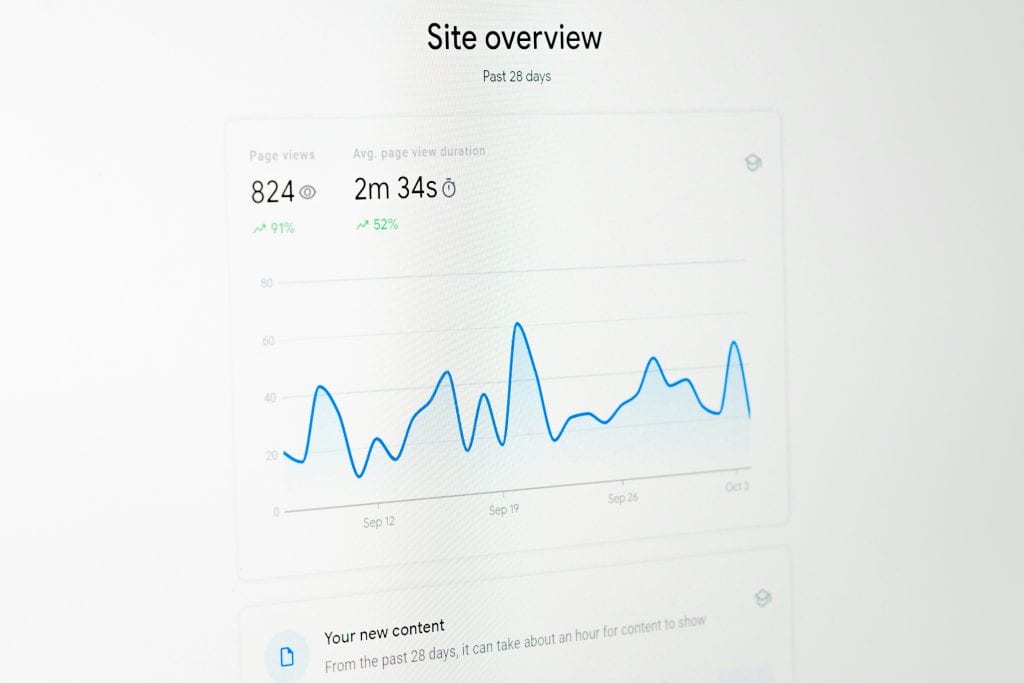
To determine the effectiveness of an ecommerce SEO strategy, it is essential to measure and analyze various metrics regularly. Tools like Google Analytics provide insights into traffic sources, user behavior on-site, conversion rates, and more. Key performance indicators (KPIs) such as organic traffic growth, bounce rates on product pages, average session duration, and conversion rates should be monitored closely to assess overall performance.
Additionally, tracking keyword rankings over time can help identify which strategies are working and which need adjustment. Tools like SEMrush or Moz can provide detailed reports on keyword performance and competitor analysis. Understanding customer behavior through metrics such as cart abandonment rates or checkout completion rates can also inform necessary changes to improve user experience and drive conversions.
By continuously analyzing these metrics and adjusting strategies accordingly, ecommerce businesses can refine their SEO efforts to achieve sustained growth and success in an increasingly competitive online marketplace.
