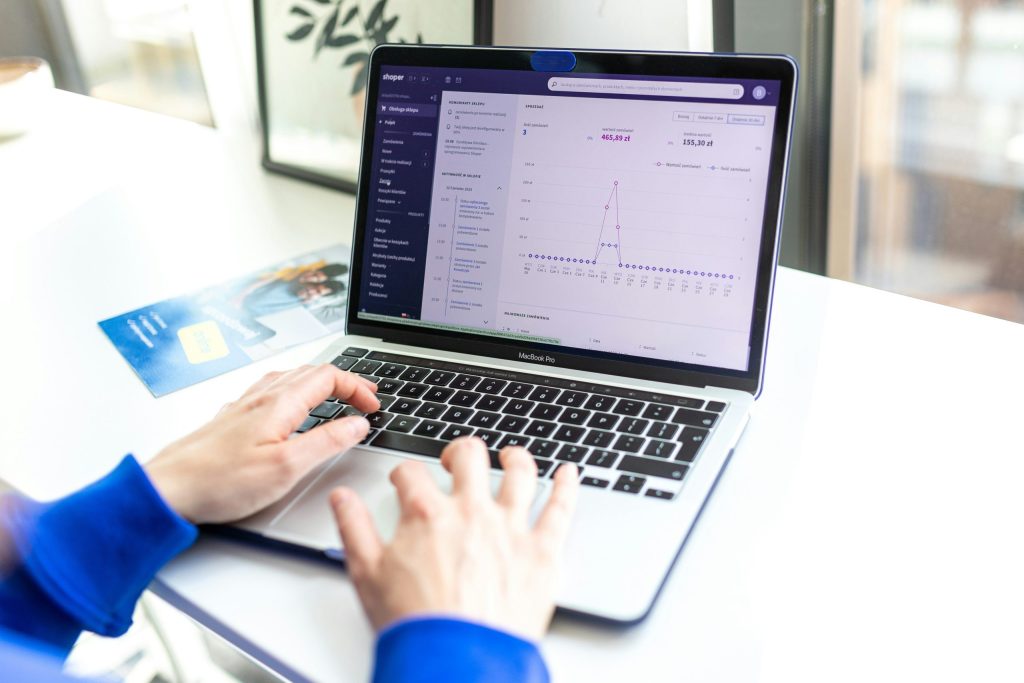
Understanding user behavior is a cornerstone of effective digital marketing and e-commerce strategies. It involves analyzing how users interact with a website, what drives their decisions, and the factors that influence their purchasing patterns. By employing various analytical tools, businesses can gather data on user interactions, such as page views, time spent on specific sections, and click-through rates.
This data can reveal critical insights into user preferences and pain points, allowing businesses to tailor their offerings accordingly. For instance, heatmaps can illustrate which areas of a webpage attract the most attention, while session recordings can provide a detailed view of the user journey, highlighting where users may encounter obstacles or drop off. Moreover, understanding user behavior extends beyond mere analytics; it encompasses the psychological aspects of decision-making.
Factors such as cognitive biases, emotional triggers, and social influences play significant roles in how users navigate online environments. For example, the scarcity principle suggests that users are more likely to purchase items that are perceived as limited in availability. By recognizing these behavioral patterns, businesses can craft marketing messages that resonate more deeply with their audience.
A/B testing different layouts or calls to action can also provide insights into what resonates best with users, enabling continuous optimization of the user experience.
Key Takeaways
- Understanding user behavior is crucial for creating a website that meets the needs and expectations of customers.
- Optimizing website design and navigation can improve user experience and increase conversion rates.
- Personalizing the shopping experience can lead to higher customer satisfaction and loyalty.
- Implementing a seamless checkout process is essential for reducing cart abandonment and increasing sales.
- Leveraging product recommendations can help customers discover new items and increase average order value.

Optimizing Website Design and Navigation
Website design and navigation are critical components that significantly impact user experience and conversion rates. A well-structured website should be intuitive, allowing users to find what they are looking for with minimal effort. This involves creating a logical hierarchy of information, using clear labels for navigation menus, and ensuring that important content is easily accessible.
For instance, an e-commerce site might benefit from a top navigation bar that categorizes products by type, while also incorporating a search function that allows users to quickly locate specific items. The use of breadcrumbs can further enhance navigation by providing users with a clear path back to previous pages. In addition to structural elements, visual design plays a vital role in user engagement.
The choice of colors, fonts, and images can evoke emotions and influence perceptions of brand credibility. For example, a clean and modern aesthetic may convey professionalism and trustworthiness, while vibrant colors and playful fonts might appeal to a younger audience. Responsive design is also essential in today’s mobile-first world; websites must be optimized for various devices to ensure a seamless experience across smartphones, tablets, and desktops.
By prioritizing both functionality and aesthetics in website design, businesses can create an inviting environment that encourages exploration and ultimately drives conversions.
Personalizing the Shopping Experience

Personalization has emerged as a key strategy for enhancing the shopping experience in e-commerce. By leveraging data analytics and user behavior insights, businesses can tailor their offerings to meet individual customer preferences. This can manifest in various ways, such as personalized product recommendations based on past purchases or browsing history.
For instance, an online clothing retailer might suggest items that complement previous purchases or highlight trending styles that align with a user’s preferences. Such targeted recommendations not only enhance the shopping experience but also increase the likelihood of additional sales. Furthermore, personalization extends beyond product suggestions; it encompasses the entire customer journey.
Personalized email marketing campaigns can engage customers by offering tailored promotions or content based on their interests. For example, if a customer frequently browses outdoor gear, sending them an email featuring a sale on hiking equipment can capture their attention more effectively than generic promotions. Additionally, personalized landing pages that reflect a user’s interests or demographics can create a more relevant experience upon arrival at the site.
By investing in personalization strategies, businesses can foster deeper connections with their customers and drive loyalty over time.
Implementing a Seamless Checkout Process
| Metrics | Data |
|---|---|
| Cart Abandonment Rate | 25% |
| Conversion Rate | 70% |
| Checkout Page Load Time | 3 seconds |
| Number of Steps in Checkout Process | 3 |
A seamless checkout process is crucial for reducing cart abandonment rates and ensuring a smooth transition from browsing to purchasing. Research indicates that a significant percentage of online shoppers abandon their carts due to complicated or lengthy checkout procedures. To mitigate this issue, businesses should aim to streamline the checkout experience by minimizing the number of steps required to complete a purchase.
Implementing features such as guest checkout options allows users to make purchases without creating an account, which can significantly reduce friction during the process. Additionally, providing multiple payment options is essential in catering to diverse customer preferences. Some users may prefer traditional credit card payments, while others might opt for digital wallets like PayPal or Apple Pay for convenience.
Transparency regarding shipping costs and delivery times is also vital; unexpected fees at checkout can lead to frustration and abandonment. By clearly displaying all costs upfront and offering various shipping options, businesses can enhance trust and encourage users to finalize their purchases. Ultimately, a well-designed checkout process not only improves conversion rates but also contributes to overall customer satisfaction.
Leveraging Product Recommendations
Product recommendations are a powerful tool in e-commerce that can significantly influence purchasing decisions. By analyzing user behavior and preferences, businesses can present tailored suggestions that resonate with individual customers. This approach not only enhances the shopping experience but also increases average order value by encouraging customers to explore complementary products.
For example, an online electronics retailer might recommend accessories such as cases or chargers alongside a smartphone purchase, effectively upselling additional items that enhance the primary purchase. The implementation of recommendation algorithms can further refine this process by utilizing machine learning techniques to analyze vast amounts of data. Collaborative filtering is one such method that identifies patterns among users with similar preferences to suggest products they may not have considered otherwise.
Additionally, incorporating user-generated content such as reviews or ratings alongside recommendations can bolster credibility and encourage purchases. When customers see that others have had positive experiences with suggested products, they are more likely to trust those recommendations and proceed with their purchases.
Providing Excellent Customer Support

Excellent customer support is integral to building trust and fostering long-term relationships with customers in the e-commerce landscape. Providing multiple channels for support—such as live chat, email, and phone—ensures that customers can reach out in the manner most convenient for them. Live chat support has gained popularity due to its immediacy; customers appreciate being able to get answers to their questions in real-time without having to wait for email responses or navigate through phone menus.
Moreover, investing in comprehensive FAQs and self-service resources empowers customers to find solutions independently. A well-organized knowledge base can address common inquiries about shipping policies, return processes, or product specifications, reducing the burden on support staff while enhancing customer satisfaction. Additionally, training support representatives to handle inquiries with empathy and efficiency is crucial; customers who feel valued are more likely to return for future purchases.
By prioritizing exceptional customer support, businesses can differentiate themselves in a competitive market and cultivate brand loyalty.
Utilizing Social Proof and Customer Reviews
Social proof is a psychological phenomenon where individuals look to the actions and opinions of others when making decisions. In the context of e-commerce, leveraging social proof through customer reviews and testimonials can significantly influence potential buyers’ perceptions of products and brands. Displaying positive reviews prominently on product pages not only builds credibility but also reassures customers about the quality of their potential purchases.
For instance, an online beauty retailer might showcase user-generated photos alongside reviews to provide authentic visual evidence of product effectiveness. Incorporating ratings systems allows customers to quickly gauge overall satisfaction levels for products at a glance. Additionally, encouraging satisfied customers to leave reviews after their purchases can create a continuous cycle of positive feedback that enhances brand reputation over time.
Businesses can also utilize social media platforms to showcase customer experiences; sharing user-generated content on Instagram or Facebook not only highlights satisfied customers but also fosters community engagement around the brand. By effectively utilizing social proof strategies, businesses can enhance trustworthiness and drive conversions.
Analyzing and Improving Performance Metrics
Analyzing performance metrics is essential for understanding the effectiveness of e-commerce strategies and identifying areas for improvement. Key performance indicators (KPIs) such as conversion rates, average order value, cart abandonment rates, and customer lifetime value provide valuable insights into how well a business is performing in various aspects of its operations. For instance, if conversion rates are low despite high traffic levels, it may indicate issues with website design or product offerings that need addressing.
Regularly reviewing these metrics allows businesses to make data-driven decisions that enhance overall performance. A/B testing different elements—such as call-to-action buttons or promotional banners—can provide insights into what resonates best with users and drive improvements in conversion rates over time. Additionally, tracking customer feedback through surveys or reviews can uncover pain points that may not be immediately apparent through quantitative data alone.
By fostering a culture of continuous improvement based on performance analysis, businesses can adapt to changing market conditions and better meet customer needs over time.