
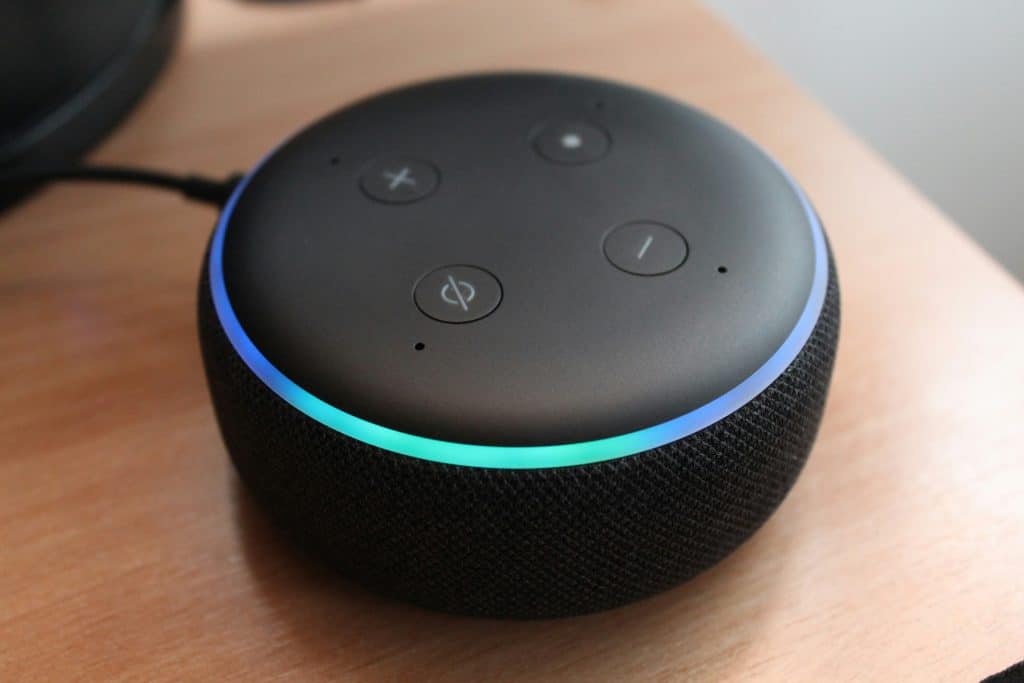
Amazon Alexa, the voice-activated virtual assistant developed by Amazon, has transformed the way users interact with technology in their homes. At its core, Alexa is designed to respond to voice commands, allowing users to perform a myriad of tasks hands-free. This includes answering questions, providing weather updates, setting reminders, and controlling smart home devices.
The underlying technology of Alexa is powered by advanced natural language processing and machine learning algorithms, enabling it to understand and respond to a wide range of queries and commands. One of the most impressive aspects of Alexa is its ability to learn and adapt over time. As users interact with the assistant, it becomes more attuned to their preferences and speech patterns.
This capability is enhanced by the vast library of skills available through the Alexa Skills Store, which allows third-party developers to create custom functionalities that can be integrated into the Alexa ecosystem. From ordering food to playing trivia games, the possibilities are virtually limitless. Furthermore, Alexa’s integration with Amazon services, such as shopping and music streaming, provides a seamless experience for users who are already embedded in the Amazon ecosystem.
Key Takeaways
- Alexa can perform a wide range of tasks, from setting reminders and alarms to providing weather updates and controlling smart home devices.
- Alexa can be integrated with various smart home devices such as lights, thermostats, and security cameras to create a seamless and convenient home automation system.
- Users can customize Alexa’s routines and skills to tailor the smart home experience to their specific needs and preferences.
- Alexa can be utilized for home security by connecting to compatible security cameras, door locks, and alarm systems for added peace of mind.
- Alexa can help manage smart home energy efficiency by controlling and monitoring energy usage of connected devices such as smart thermostats and lights.
Integrating Alexa with other smart home devices

The true power of Alexa is realized when it is integrated with other smart home devices. This integration allows users to control various aspects of their home environment through simple voice commands. For instance, smart lights can be dimmed or brightened, thermostats can be adjusted for optimal comfort, and security cameras can be monitored—all through Alexa.
The compatibility of Alexa with a wide range of devices from different manufacturers makes it a versatile hub for smart home management. To set up these integrations, users typically need to connect their smart devices to the Alexa app on their smartphones. Once linked, users can issue commands like “Alexa, turn on the living room lights” or “Alexa, set the thermostat to 72 degrees.” This level of control not only enhances convenience but also contributes to energy efficiency and security.
For example, users can create routines that automatically turn off all lights and lock doors at bedtime, ensuring peace of mind as they settle in for the night. The ability to control multiple devices with a single command streamlines daily routines and enhances the overall smart home experience.
Customizing Alexa’s routines and skills

Customizing Alexa’s routines and skills is a powerful way to tailor the assistant to meet individual needs and preferences. Routines allow users to automate a series of actions with a single command or at a specific time of day. For example, a morning routine could include turning on the coffee maker, reading the news headlines, and adjusting the thermostat—all initiated by saying “Alexa, start my day.” This level of personalization not only saves time but also creates a more cohesive living environment.
In addition to routines, users can explore and enable various skills that enhance Alexa’s functionality. Skills are essentially apps for Alexa that provide additional capabilities beyond its default features. For instance, users can enable skills for meditation, fitness tracking, or even language learning.
The process of discovering and enabling these skills is straightforward; users can browse through categories in the Alexa app or search for specific skills by name. By curating a selection of skills that align with their interests and lifestyle, users can significantly expand what Alexa can do for them.
Utilizing Alexa for home security
| Metrics | Data |
|---|---|
| Number of Alexa-compatible security devices | Over 100 |
| Percentage of households using Alexa for home security | Approximately 20% |
| Response time for Alexa security alerts | Less than 5 seconds |
| Number of security commands Alexa can recognize | Over 100 |
Home security is a critical concern for many homeowners, and Alexa offers several features that enhance safety and peace of mind. One of the most notable capabilities is the integration with smart security cameras and doorbells. Users can ask Alexa to show them live feeds from their cameras or receive alerts when motion is detected at their front door.
This real-time monitoring allows homeowners to keep an eye on their property from anywhere, providing an added layer of security. Moreover, Alexa can be programmed to simulate occupancy when homeowners are away. By creating routines that turn lights on and off at random intervals or play music in different rooms, users can deter potential intruders by making it appear as though someone is home.
Additionally, Alexa can work in conjunction with smart locks, allowing users to lock or unlock doors remotely using voice commands. This feature is particularly useful for granting access to visitors or service personnel without needing to be physically present.
Managing smart home energy efficiency with Alexa
Energy efficiency is an increasingly important consideration for homeowners looking to reduce their environmental impact and save on utility bills. Alexa plays a significant role in managing energy consumption through its integration with smart thermostats, lights, and appliances. By using voice commands or routines, users can easily adjust settings to optimize energy use throughout the day.
For instance, during peak hours when electricity rates are higher, users can program their smart thermostat to adjust temperatures automatically or turn off non-essential lights. Additionally, Alexa can provide insights into energy usage patterns by connecting with compatible smart plugs or energy monitoring devices. Users can ask questions like “Alexa, how much energy did I use yesterday?” to gain a better understanding of their consumption habits.
This data-driven approach empowers homeowners to make informed decisions about their energy use and implement strategies for greater efficiency.
Using Alexa for entertainment and media

Entertainment is another area where Alexa shines brightly, offering users a hands-free way to enjoy music, podcasts, audiobooks, and more. With its integration into various streaming services like Amazon Music, Spotify, and Apple Music, users can simply ask Alexa to play their favorite songs or playlists without needing to navigate through apps or devices manually. Commands such as “Alexa, play my workout playlist” or “Alexa, skip this song” make it easy to control music playback seamlessly.
Beyond music, Alexa also supports various media formats including audiobooks from Audible and podcasts from popular platforms. Users can ask questions like “Alexa, read my audiobook” or “Alexa, play my favorite podcast,” allowing for an immersive listening experience while multitasking around the house. Furthermore, Alexa’s compatibility with smart TVs enables voice control over video content as well; commands like “Alexa, play Stranger Things on Netflix” allow users to enjoy their favorite shows without needing a remote control.
Setting up voice-controlled smart home automation
Setting up voice-controlled smart home automation with Alexa involves creating an interconnected network of devices that respond to voice commands for enhanced convenience and efficiency. The process typically begins with selecting compatible devices that can be controlled via Alexa—these may include smart lights, thermostats, locks, cameras, and appliances from various manufacturers. Once the devices are installed and connected through the Alexa app, users can create custom voice commands or routines that trigger multiple actions simultaneously.
For example, a “movie night” routine could dim the lights, turn on the TV, and set the thermostat to a comfortable temperature—all initiated by saying “Alexa, it’s movie time.” This level of automation not only simplifies daily tasks but also creates an enjoyable atmosphere tailored to specific activities. Moreover, advanced users can explore more complex automation scenarios using Alexa’s integration with IFTTT (If This Then That) services or other home automation platforms like SmartThings. These tools allow for even greater customization by enabling conditional triggers based on various factors such as time of day or sensor inputs.
Troubleshooting common issues with Alexa in a smart home environment
Despite its many advantages, users may encounter common issues when using Alexa in a smart home environment. One frequent problem is connectivity issues between Alexa and smart devices. If a device becomes unresponsive or fails to execute commands properly, it may be due to network connectivity problems or outdated firmware on the device itself.
In such cases, checking the Wi-Fi connection and ensuring that all devices are updated can often resolve these issues. Another common challenge involves misinterpretation of voice commands by Alexa. Factors such as background noise or unclear speech can lead to misunderstandings.
To mitigate this issue, users should ensure that their device is placed in an optimal location where it can hear commands clearly without interference from other sounds. Additionally, training Alexa by repeating specific phrases can help improve its accuracy in recognizing user commands over time. In instances where troubleshooting does not resolve issues, consulting Amazon’s support resources or community forums can provide valuable insights from other users who may have faced similar challenges.
By leveraging these resources effectively, users can enhance their experience with Alexa and maximize the potential of their smart home systems.
