
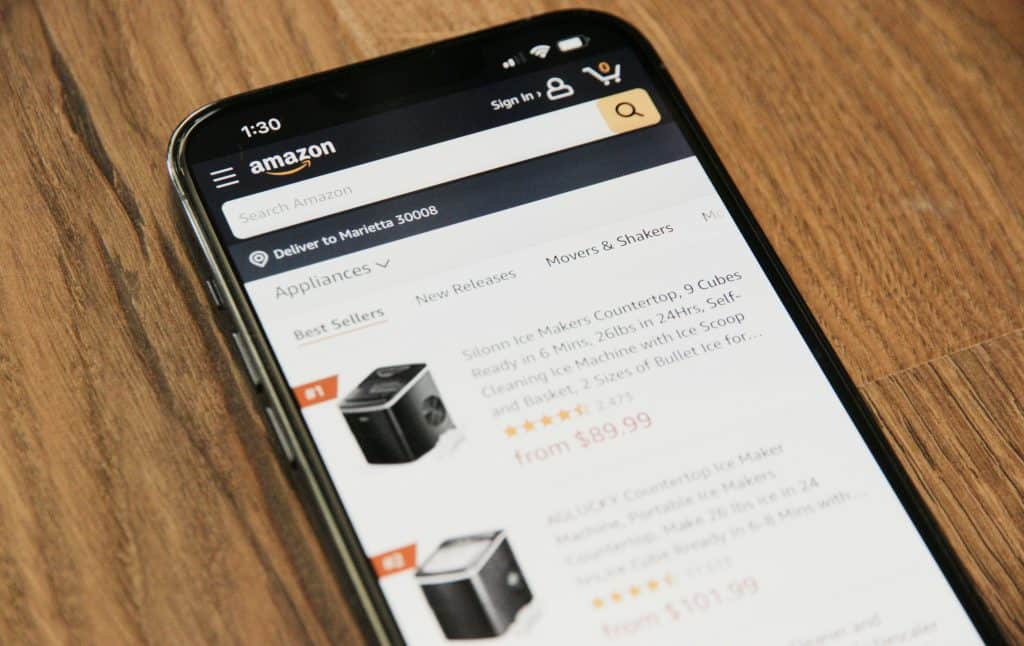
Amazon Seller Central serves as the primary platform for third-party sellers to manage their sales on Amazon. This web-based interface provides a comprehensive suite of tools and resources that enable sellers to list products, manage inventory, fulfill orders, and analyze performance metrics. The platform is designed to facilitate a seamless selling experience, allowing sellers to tap into Amazon’s vast customer base while maintaining control over their business operations.
Understanding the nuances of Seller Central is crucial for anyone looking to succeed in the competitive landscape of e-commerce. Navigating Seller Central can initially seem daunting due to its extensive features and functionalities. Sellers can choose between two primary selling plans: the Individual plan, which charges a fee per sale, and the Professional plan, which incurs a monthly subscription fee but offers additional benefits such as access to advanced selling tools and reports.
Each plan has its advantages depending on the seller’s volume and business model. Moreover, Seller Central provides resources such as the Seller University, which offers tutorials and guides to help sellers familiarize themselves with the platform and optimize their selling strategies.
Key Takeaways
- Amazon Seller Central is a platform for sellers to manage their Amazon business, including inventory, listings, advertising, and sales data.
- Setting up a seller account involves providing business information, verifying identity, and choosing a selling plan.
- Managing inventory and listings on Amazon involves creating product listings, managing stock levels, and handling orders and shipping.
- Optimizing product pages for sales includes using high-quality images, detailed product descriptions, and competitive pricing.
- Utilizing Amazon advertising and promotions can help increase product visibility and drive sales on the platform.
- Monitoring and analyzing sales data is crucial for understanding performance, identifying trends, and making informed business decisions.
- Handling customer service and returns on Amazon requires prompt communication, efficient resolution, and adherence to Amazon’s policies.
- Scaling a business on Amazon involves expanding product offerings, optimizing operations, and exploring new opportunities for growth.
Setting Up Your Seller Account

Setting up an Amazon Seller account is a critical first step for anyone looking to enter the marketplace. The process begins with selecting the appropriate selling plan based on your business needs. After choosing between the Individual or Professional plan, sellers must provide essential information, including business details, tax identification numbers, and bank account information for payment processing.
This information is vital for Amazon to verify the seller’s identity and ensure compliance with legal requirements. Once the initial setup is complete, sellers can begin listing their products. This involves creating product listings that include detailed descriptions, high-quality images, and relevant keywords to enhance visibility in search results.
It is essential to pay attention to Amazon’s guidelines regarding product listings to avoid potential issues with account suspension or listing removal. Additionally, sellers should consider utilizing Amazon’s Brand Registry if they own a trademarked brand, as this provides enhanced protection against counterfeit products and allows for more control over product listings.
Managing Inventory and Listings

Effective inventory management is crucial for maintaining a successful Amazon business. Sellers must keep track of stock levels to avoid running out of popular items or overstocking less popular products. Amazon provides tools within Seller Central that allow sellers to monitor inventory levels in real-time, set reorder alerts, and manage stock across multiple fulfillment centers if using Fulfillment by Amazon (FBA).
By leveraging these tools, sellers can ensure they meet customer demand while minimizing storage fees associated with excess inventory. In addition to inventory management, maintaining accurate and optimized product listings is essential for driving sales. Sellers should regularly review their listings for accuracy and completeness, ensuring that all product information is up-to-date.
This includes monitoring pricing strategies, as competitive pricing can significantly impact sales velocity. Utilizing Amazon’s automated pricing tools can help sellers adjust prices dynamically based on market conditions. Furthermore, incorporating customer feedback into product listings can enhance credibility and improve conversion rates, as potential buyers often rely on reviews when making purchasing decisions.
Optimizing Product Pages for Sales
| Metrics | Data |
|---|---|
| Conversion Rate | 10% |
| Average Order Value | 50 |
| Page Load Time | 3 seconds |
| Bounce Rate | 30% |
Optimizing product pages is a multifaceted process that involves enhancing various elements of a listing to improve visibility and conversion rates. One of the most critical aspects is keyword optimization. Sellers should conduct thorough keyword research to identify relevant search terms that potential customers are using.
Tools like Helium 10 or Jungle Scout can assist in uncovering high-traffic keywords that should be incorporated into product titles, bullet points, and descriptions. In addition to keywords, high-quality images play a pivotal role in attracting customers. Amazon allows multiple images per listing, so sellers should take advantage of this by showcasing their products from different angles and in various contexts.
Lifestyle images that demonstrate the product in use can be particularly effective in helping customers visualize its benefits. Furthermore, utilizing A+ Content (formerly Enhanced Brand Content) allows sellers to create visually appealing product descriptions that include additional images, comparison charts, and detailed information about the brand story, which can further entice potential buyers.
Utilizing Amazon Advertising and Promotions
To increase visibility and drive sales on Amazon, sellers can leverage various advertising options available through Seller Central. Sponsored Products ads are one of the most popular forms of advertising on the platform, allowing sellers to promote individual listings within search results and product detail pages. By targeting specific keywords or products, sellers can increase their chances of being discovered by potential customers actively searching for similar items.
In addition to Sponsored Products, sellers can explore other advertising formats such as Sponsored Brands and Sponsored Display ads. Sponsored Brands ads allow sellers to showcase multiple products along with their brand logo at the top of search results, enhancing brand visibility. Sponsored Display ads enable retargeting efforts by displaying ads to customers who have previously viewed a seller’s products or similar items.
Alongside advertising efforts, promotions such as Lightning Deals or coupons can create urgency and incentivize purchases, further boosting sales during peak shopping periods.
Monitoring and Analyzing Sales Data

Monitoring sales data is essential for understanding business performance and making informed decisions. Amazon Seller Central provides a wealth of analytics tools that allow sellers to track key performance indicators (KPIs) such as sales volume, conversion rates, and customer feedback scores. By regularly reviewing these metrics, sellers can identify trends and patterns that inform their marketing strategies and inventory management practices.
For instance, if a seller notices a decline in conversion rates for a particular product, it may indicate that adjustments are needed in pricing or listing optimization. Conversely, an increase in sales for a specific item may prompt the seller to consider expanding their inventory or exploring additional marketing avenues. Utilizing Amazon’s Business Reports can provide insights into sales performance over time, helping sellers make data-driven decisions that align with their overall business goals.
Handling Customer Service and Returns
Customer service is a critical component of maintaining a successful Amazon business. Sellers must be prepared to address customer inquiries promptly and professionally to foster positive relationships and encourage repeat purchases. Amazon provides tools within Seller Central for managing customer messages and responding to inquiries efficiently.
Timely responses not only enhance customer satisfaction but also contribute to positive seller ratings on the platform. Returns are an inevitable aspect of e-commerce that sellers must navigate effectively. Amazon has established a customer-friendly return policy that allows buyers to return items easily within a specified timeframe.
Sellers should familiarize themselves with these policies and ensure they are prepared to handle returns efficiently. Utilizing Fulfillment by Amazon (FBA) can simplify this process, as Amazon manages returns on behalf of sellers, allowing them to focus on other aspects of their business while ensuring customer satisfaction remains high.
Scaling Your Business on Amazon
Scaling an Amazon business requires strategic planning and execution across various facets of operations. As sales grow, sellers may need to consider expanding their product lines or exploring new niches within the marketplace. Conducting market research to identify emerging trends or underserved categories can provide valuable insights into potential growth opportunities.
Additionally, leveraging automation tools can significantly enhance efficiency as the business scales. Inventory management software can help streamline stock tracking across multiple channels, while repricing tools can automate pricing adjustments based on market conditions. Furthermore, investing in professional photography or hiring virtual assistants for tasks such as customer service or listing optimization can free up time for sellers to focus on strategic growth initiatives.
In conclusion, understanding the intricacies of Amazon Seller Central is essential for anyone looking to thrive in the competitive e-commerce landscape. From setting up an account to optimizing product pages and managing customer service, each aspect plays a vital role in building a successful business on the platform. By continuously monitoring performance data and adapting strategies accordingly, sellers can position themselves for long-term success in one of the world’s largest online marketplaces.
