
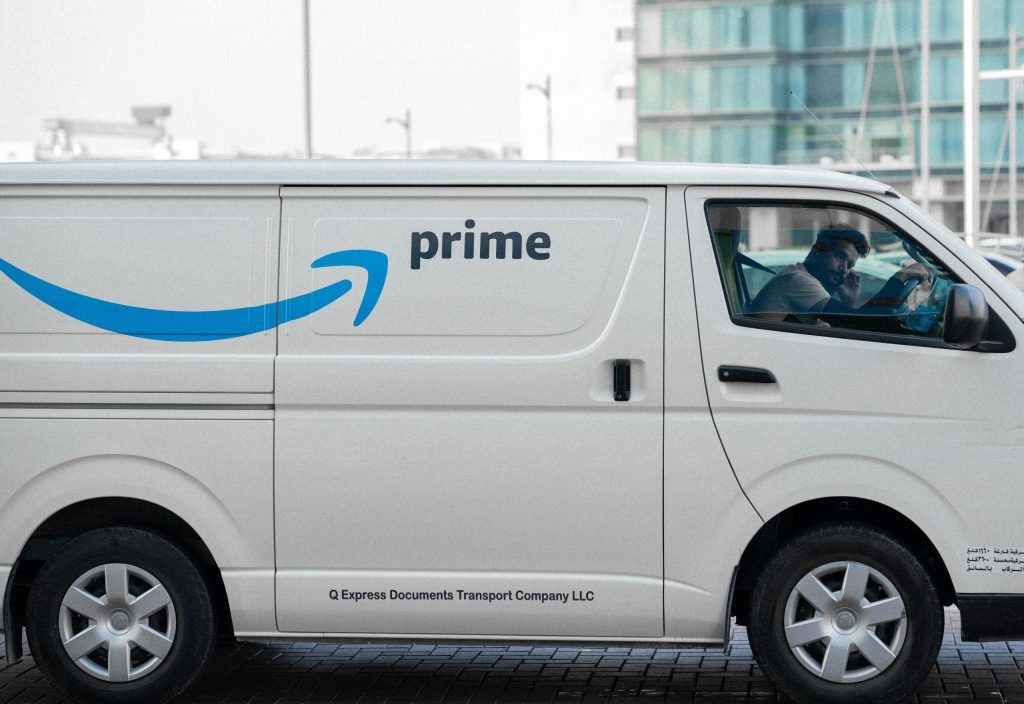
Selling on Amazon Seller Central Europe offers a multitude of advantages for businesses looking to expand their reach across the continent. One of the most significant benefits is access to a vast customer base. With millions of active users across various European countries, sellers can tap into diverse markets, each with its unique consumer preferences and purchasing behaviors.
This extensive reach allows sellers to increase their sales potential significantly, as they can cater to a wide array of demographics and interests. Moreover, Amazon provides a robust infrastructure that simplifies the selling process. The platform offers tools and resources designed to help sellers manage their inventory, track sales performance, and analyze customer behavior.
This data-driven approach enables sellers to make informed decisions about their product offerings and marketing strategies. Additionally, Amazon’s reputation as a trusted marketplace can enhance a seller’s credibility, making it easier to attract customers who may be hesitant to purchase from lesser-known brands. The combination of a large audience and reliable support systems creates an environment ripe for business growth.
Key Takeaways
- Amazon Seller Central Europe offers access to a large and diverse customer base, allowing sellers to reach new markets and increase sales.
- Setting up an Amazon Seller Account in Europe involves creating a unified account to manage multiple marketplaces, simplifying the selling process.
- Optimizing product listings for European markets requires understanding local language, culture, and search trends to attract and convert customers.
- Managing international shipping and fulfillment involves utilizing Amazon’s FBA (Fulfillment by Amazon) services to streamline logistics and improve customer experience.
- Leveraging Amazon Advertising can help sellers reach European customers through targeted campaigns and sponsored product placements.
Setting Up Your Amazon Seller Account in Europe

Establishing an Amazon Seller account in Europe is a straightforward process, but it requires careful attention to detail to ensure compliance with local regulations and best practices. The first step involves selecting the appropriate selling plan. Amazon offers two primary options: the Individual plan, which is suitable for those who anticipate selling fewer than 40 items per month, and the Professional plan, which is ideal for higher-volume sellers.
Each plan comes with its own fee structure, so it’s essential to evaluate your expected sales volume before making a decision. Once you’ve chosen a selling plan, the next step is to gather the necessary documentation. This typically includes your business registration details, tax information, and bank account information for payment processing.
Sellers must also provide a valid credit card and phone number for verification purposes. After submitting this information, Amazon will review your application, which may take several days. It’s crucial to ensure that all details are accurate and up-to-date to avoid delays in account approval.
Once your account is active, you can begin listing products and exploring the various tools available within Seller Central.
Optimizing Your Product Listings for European Markets

Creating compelling product listings is essential for capturing the attention of European consumers. Each market within Europe has its own cultural nuances and preferences, which means that sellers must tailor their listings accordingly. Start by conducting thorough keyword research specific to each country you are targeting.
Tools like Amazon’s Keyword Tool or third-party software can help identify popular search terms that potential customers are using. Incorporating these keywords into your product titles, descriptions, and bullet points can significantly enhance visibility in search results. In addition to keywords, high-quality images play a crucial role in attracting buyers.
European consumers often prioritize visual appeal when making purchasing decisions, so it’s important to use professional-grade images that showcase your product from multiple angles. Including lifestyle images that demonstrate the product in use can also help potential buyers envision how it fits into their lives. Furthermore, providing detailed product descriptions that highlight features, benefits, and specifications can help address any questions or concerns customers may have, ultimately leading to higher conversion rates.
Managing International Shipping and Fulfillment
| Metrics | 2019 | 2020 | 2021 |
|---|---|---|---|
| International Shipping Cost | 10% | 12% | 15% |
| On-time Delivery Rate | 95% | 92% | 90% |
| Customer Satisfaction | 4.5 | 4.3 | 4.0 |
Navigating international shipping and fulfillment can be one of the more complex aspects of selling on Amazon in Europe. Sellers must consider various factors such as shipping costs, delivery times, and customs regulations when planning their logistics strategy. One effective approach is to utilize Amazon’s Fulfillment by Amazon (FBA) service, which allows sellers to store their products in Amazon’s warehouses across Europe.
This not only simplifies the shipping process but also enables sellers to offer Prime shipping options, which can significantly enhance customer satisfaction. For those opting to handle shipping independently, it’s essential to research reliable carriers that operate within Europe. Understanding the different shipping options available—such as standard shipping versus express delivery—can help sellers choose the best method based on their target market’s preferences.
Additionally, being transparent about shipping costs and delivery times in product listings can help manage customer expectations and reduce the likelihood of cart abandonment. Sellers should also familiarize themselves with customs regulations in each country to avoid unexpected delays or additional fees.
Leveraging Amazon Advertising to Reach European Customers
Amazon Advertising provides a powerful platform for sellers looking to increase their visibility and drive sales in European markets. By utilizing Sponsored Products, sellers can promote individual listings directly within search results and on product detail pages. This targeted advertising approach allows sellers to reach potential customers actively searching for similar products, making it an effective way to boost sales and improve brand awareness.
In addition to Sponsored Products, sellers can explore other advertising options such as Sponsored Brands and Display Ads. Sponsored Brands allow sellers to showcase multiple products within a single ad unit, which can be particularly beneficial for brands with a diverse product range. Display Ads enable sellers to retarget customers who have previously viewed their products or similar items, keeping their brand top-of-mind as consumers continue their shopping journey.
By carefully monitoring ad performance metrics and adjusting campaigns based on data insights, sellers can optimize their advertising strategies for maximum impact.
Navigating Tax and Legal Considerations for Selling in Europe

Selling in Europe comes with its own set of tax and legal considerations that sellers must navigate to ensure compliance with local laws. One of the primary concerns is Value Added Tax (VAT), which varies by country within the European Union (EU). Sellers are required to register for VAT in each country where they store goods or exceed certain sales thresholds.
Understanding the VAT rates applicable to your products is crucial for pricing strategies and maintaining compliance. Additionally, sellers must be aware of consumer protection laws that vary across European countries. These laws often dictate return policies, warranty requirements, and advertising standards.
For instance, many EU countries mandate a 14-day return period for online purchases, which may differ from policies in other regions. Familiarizing yourself with these regulations not only helps avoid legal pitfalls but also builds trust with customers who expect transparency and fairness in their shopping experiences.
Expanding Your Business with Amazon FBA in Europe
Utilizing Fulfillment by Amazon (FBA) can significantly enhance a seller’s ability to scale their business across Europe. FBA allows sellers to leverage Amazon’s extensive logistics network, enabling them to store inventory in multiple fulfillment centers throughout Europe. This strategic positioning reduces shipping times and costs for customers, which is particularly important in today’s fast-paced e-commerce environment where consumers expect quick delivery.
Moreover, FBA provides additional benefits such as access to Amazon Prime customers and eligibility for Amazon’s Buy Box—a coveted feature that increases visibility and sales potential. Sellers using FBA also benefit from Amazon’s customer service support, which handles inquiries related to shipping and returns on behalf of the seller. This allows sellers to focus on other aspects of their business while ensuring that customer satisfaction remains high.
Implementing Customer Service Strategies for European Market Success
Effective customer service is paramount for success in the competitive European marketplace. Given the diverse cultures and languages across Europe, tailoring customer service strategies to meet local expectations is essential. Offering support in multiple languages can significantly enhance the customer experience and foster loyalty among buyers from different regions.
Utilizing multilingual customer service representatives or chatbots can help address inquiries promptly and effectively. Additionally, establishing clear communication channels is vital for resolving issues quickly. Providing multiple contact options—such as email, phone support, and live chat—ensures that customers can reach out through their preferred method.
Proactively addressing common concerns through FAQs or detailed product information can also reduce the volume of inquiries while empowering customers with the knowledge they need to make informed purchasing decisions. By prioritizing exceptional customer service tailored to the unique needs of European consumers, sellers can build strong relationships that drive repeat business and positive reviews.
