
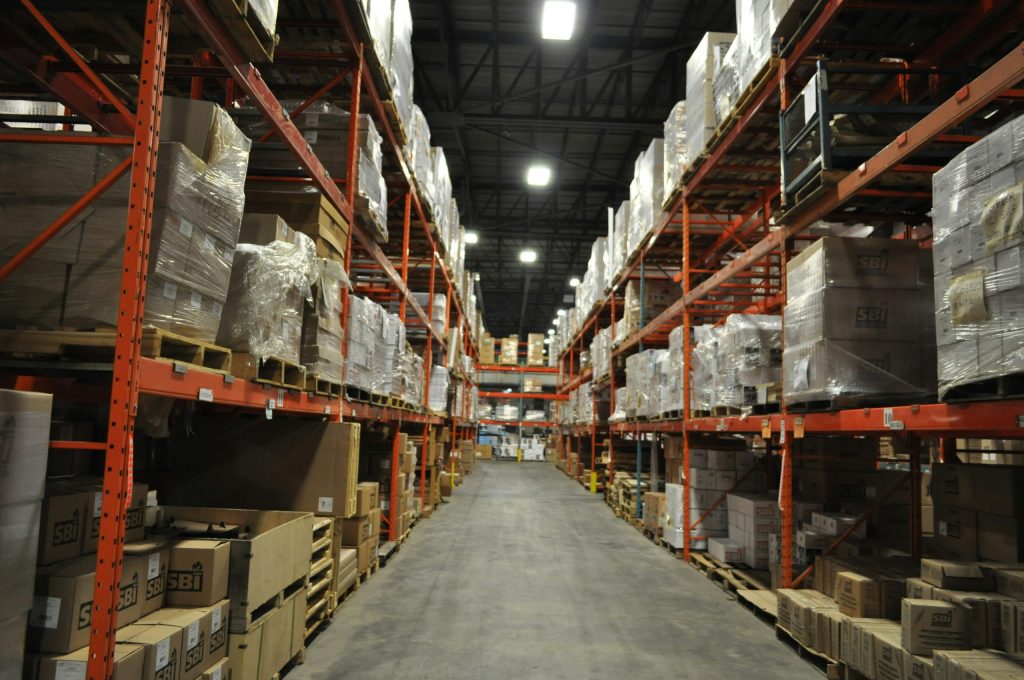
In the fast-paced world of ecommerce, efficient inventory tracking is not merely a logistical necessity; it is a cornerstone of operational success. As online shopping continues to grow, businesses face the challenge of managing vast quantities of products across multiple platforms and channels. An effective inventory tracking system ensures that businesses can meet customer demand without overextending their resources.
When inventory is tracked accurately, companies can maintain optimal stock levels, reduce carrying costs, and enhance customer satisfaction by ensuring that products are available when needed. Moreover, efficient inventory tracking directly impacts a company’s bottom line. Poor inventory management can lead to stockouts, which frustrate customers and result in lost sales.
Conversely, overstocking can tie up capital in unsold goods, increasing storage costs and potentially leading to markdowns or write-offs. By implementing robust inventory tracking systems, ecommerce businesses can gain real-time visibility into their stock levels, enabling them to make informed decisions that align with market demand. This agility not only improves operational efficiency but also fosters a competitive edge in an increasingly crowded marketplace.
Key Takeaways
- Efficient inventory tracking is crucial for the success of ecommerce businesses
- Key components of an effective ecommerce inventory tracking system include real-time updates and integration with sales channels
- Best practices for managing ecommerce inventory include setting par levels and conducting regular audits
- Utilizing technology such as barcode scanning and RFID can streamline inventory tracking processes
- Strategies for preventing stockouts and overstocking in ecommerce include demand forecasting and safety stock planning
Key Components of an Effective Ecommerce Inventory Tracking System

An effective ecommerce inventory tracking system comprises several key components that work together to provide comprehensive oversight of stock levels and movements. First and foremost, real-time data synchronization is essential. This feature allows businesses to update inventory levels across all sales channels instantaneously, ensuring that customers always see accurate stock availability.
For instance, if a product sells out on one platform, the system should automatically reflect this change across all other platforms to prevent overselling. Another critical component is the integration of barcode or RFID technology. These tools facilitate quick and accurate tracking of products as they move through the supply chain.
By scanning items at various stages—such as receiving shipments, storing products in warehouses, and fulfilling orders—businesses can maintain precise records of inventory levels. This not only reduces human error but also speeds up the inventory management process, allowing staff to focus on more strategic tasks rather than manual counting and tracking.
Best Practices for Managing Ecommerce Inventory

To effectively manage ecommerce inventory, businesses should adopt several best practices that enhance accuracy and efficiency. One such practice is conducting regular inventory audits. These audits can be scheduled monthly or quarterly and involve physically counting stock to reconcile discrepancies between actual inventory and recorded levels.
Regular audits help identify issues such as theft, damage, or misplacement of items, allowing businesses to address these problems proactively. Another best practice is to categorize inventory based on sales velocity and profitability. This approach, often referred to as ABC analysis, involves classifying products into three categories: A (high-value items with low sales frequency), B (moderate value and sales), and C (low-value items with high sales frequency).
By focusing on managing A items closely while employing less stringent controls on C items, businesses can allocate resources more effectively and ensure that high-impact products are always available for customers.
Utilizing Technology for Streamlined Inventory Tracking
| Technology | Benefits |
|---|---|
| Barcode Scanning | Accurate inventory counts |
| RFID Tags | Real-time tracking |
| Inventory Management Software | Automated data entry |
| Cloud-based Systems | Access from anywhere |
The advent of technology has revolutionized inventory tracking in ecommerce, providing businesses with tools that enhance accuracy and efficiency. Cloud-based inventory management systems are among the most significant advancements in this area. These systems allow businesses to access their inventory data from anywhere with an internet connection, facilitating remote management and real-time updates.
For example, a retailer can monitor stock levels while traveling or working from home, ensuring they remain informed about their inventory status at all times. Additionally, advanced analytics tools integrated into inventory management systems can provide valuable insights into sales trends and customer behavior. By analyzing historical data, businesses can forecast demand more accurately and adjust their inventory levels accordingly.
For instance, if data shows a consistent increase in sales for a particular product during the holiday season, businesses can proactively increase their stock levels ahead of time to meet anticipated demand.
Strategies for Preventing Stockouts and Overstocking in Ecommerce
Preventing stockouts and overstocking is crucial for maintaining a healthy ecommerce operation. One effective strategy is to implement a just-in-time (JIT) inventory system. This approach minimizes excess stock by ordering products only as they are needed for production or sales.
By closely collaborating with suppliers and utilizing accurate demand forecasting techniques, businesses can reduce lead times and ensure that they have the right amount of stock on hand without overcommitting resources. Another strategy involves setting up automated reorder points within the inventory management system. By establishing minimum stock thresholds for each product, businesses can trigger automatic reorders when inventory levels fall below these points.
This proactive approach helps prevent stockouts while also avoiding the pitfalls of overstocking by ensuring that orders are placed only when necessary.
Implementing Automation to Improve Inventory Tracking Efficiency

Automation plays a pivotal role in enhancing the efficiency of inventory tracking processes in ecommerce. Automated systems can streamline various aspects of inventory management, from order processing to stock level monitoring. For instance, automated order fulfillment systems can pick, pack, and ship products with minimal human intervention, significantly reducing processing times and errors associated with manual handling.
Furthermore, automation can extend to customer notifications regarding order status and stock availability. By integrating automated communication tools into the inventory management system, businesses can keep customers informed about their orders in real time. This transparency not only improves customer satisfaction but also reduces the volume of inquiries related to order status, allowing staff to focus on more complex customer service issues.
The Role of Data Analysis in Optimizing Ecommerce Inventory Management
Data analysis is an indispensable tool for optimizing ecommerce inventory management. By leveraging data analytics, businesses can gain insights into purchasing patterns, seasonal trends, and customer preferences. This information enables them to make informed decisions about which products to stock and when to adjust inventory levels.
For example, if data reveals that certain items experience spikes in demand during specific months, businesses can prepare by increasing their stock ahead of time. Moreover, predictive analytics can help businesses anticipate future trends based on historical data. By analyzing past sales performance alongside external factors such as market conditions or economic indicators, companies can develop more accurate forecasts for their inventory needs.
This proactive approach minimizes the risk of stockouts or overstocking while ensuring that businesses remain agile in responding to changing market dynamics.
Case Studies: Successful Examples of Efficient Ecommerce Inventory Tracking
Several ecommerce companies have successfully implemented efficient inventory tracking systems that serve as exemplary models for others in the industry. One notable case is Amazon, which has revolutionized inventory management through its sophisticated use of technology and data analytics. Amazon employs advanced algorithms to predict demand for products at various fulfillment centers across the globe.
This allows them to optimize stock levels based on regional demand patterns, ensuring that customers receive their orders quickly while minimizing excess inventory. Another example is Zappos, an online shoe and clothing retailer known for its exceptional customer service. Zappos utilizes a combination of real-time inventory tracking and customer feedback to manage its stock effectively.
By closely monitoring customer returns and preferences, Zappos can adjust its inventory accordingly, ensuring that popular styles remain available while phasing out less desirable items. This customer-centric approach not only enhances satisfaction but also contributes to efficient inventory turnover. In conclusion, efficient inventory tracking is essential for ecommerce success.
By understanding its importance and implementing key components such as real-time data synchronization and barcode technology, businesses can optimize their operations. Adopting best practices like regular audits and ABC analysis further enhances management capabilities. Leveraging technology through cloud-based systems and advanced analytics allows for streamlined processes and informed decision-making.
Strategies like JIT systems and automated reorder points help prevent stockouts and overstocking while automation improves overall efficiency. Finally, data analysis plays a crucial role in optimizing inventory management by providing insights into trends and customer behavior. Successful case studies from industry leaders like Amazon and Zappos illustrate the tangible benefits of effective inventory tracking in ecommerce.
