
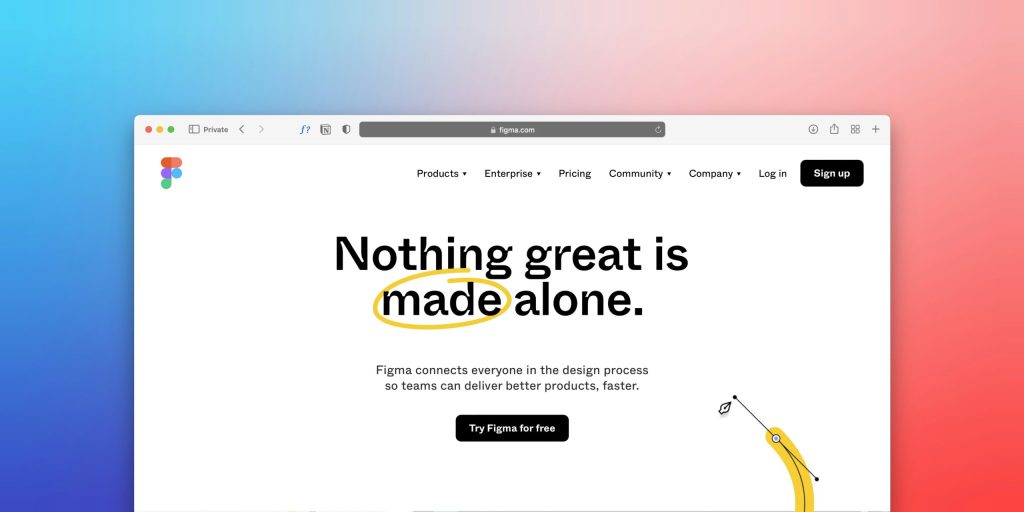
In the realm of e-commerce, design serves as the first point of interaction between a brand and its potential customers. A well-crafted design can evoke emotions, establish trust, and ultimately drive sales. The visual elements of a website—ranging from color schemes to typography—play a crucial role in shaping the user experience.
For instance, a clean and modern aesthetic can convey professionalism and reliability, while a cluttered or outdated design may lead to user frustration and abandonment. Research indicates that users form an opinion about a website within milliseconds of landing on it, underscoring the necessity for an appealing and functional design. Moreover, effective design goes beyond mere aesthetics; it encompasses usability and functionality.
A thoughtfully designed e-commerce site not only attracts visitors but also guides them seamlessly through the purchasing process. This involves creating intuitive pathways for users to find products, understand their features, and make informed decisions. The integration of design principles with user experience (UX) strategies can significantly enhance customer satisfaction, leading to higher conversion rates.
In a competitive market where consumers have countless options at their fingertips, a well-designed e-commerce platform can be the differentiating factor that sets a brand apart.
Key Takeaways
- Design plays a crucial role in the success of an e-commerce website, impacting user experience and conversion rates.
- The right theme for a Shopify website should align with the brand, be visually appealing, and offer a seamless user experience.
- High-quality images and graphics are essential for capturing the attention of potential customers and conveying the value of products.
- User-friendly navigation and layout are key for guiding visitors through the website and making the shopping experience intuitive.
- Customization and personalization features can enhance the user experience and create a sense of connection with the brand.

Choosing the Right Theme for Your Shopify Website
Selecting an appropriate theme for your Shopify website is a foundational step in establishing your online presence. Shopify offers a plethora of themes, each with unique features and styles tailored to different types of businesses. When choosing a theme, it is essential to consider your brand identity and target audience.
For example, a minimalist theme may resonate well with a high-end fashion brand aiming for sophistication, while a vibrant and playful theme might be more suitable for a children’s toy store. The right theme should not only reflect your brand’s personality but also enhance the overall shopping experience. Additionally, functionality should be at the forefront of your decision-making process.
A theme that is visually appealing but lacks essential features—such as mobile responsiveness or easy navigation—can hinder user engagement. It is advisable to explore themes that offer customization options, allowing you to tailor the design to your specific needs without extensive coding knowledge. Furthermore, consider themes that are optimized for speed and performance, as slow-loading pages can lead to high bounce rates and lost sales opportunities.
By carefully selecting a theme that aligns with both aesthetic and functional requirements, you lay the groundwork for a successful e-commerce venture.
Utilizing High-Quality Images and Graphics

In e-commerce, visuals are paramount; they serve as the primary means through which customers assess products before making a purchase. High-quality images can significantly influence buying decisions, as they provide potential customers with a clear understanding of what they are purchasing. For instance, detailed product images that showcase various angles, textures, and colors can help mitigate uncertainty and build confidence in the product’s quality.
Brands that invest in professional photography often see higher engagement rates and increased conversions compared to those that rely on generic stock images. Moreover, incorporating graphics such as infographics or lifestyle images can enhance storytelling and create an emotional connection with consumers. For example, a home decor brand might use lifestyle images that depict their products in beautifully styled rooms, allowing customers to envision how these items would fit into their own lives.
Additionally, utilizing graphics to highlight key features or benefits can simplify complex information and make it more digestible for users. In an age where attention spans are dwindling, compelling visuals can capture interest quickly and effectively guide customers toward making informed purchasing decisions.
Creating a User-Friendly Navigation and Layout
| Metrics | Value |
|---|---|
| Page Load Time | 2.5 seconds |
| Bounce Rate | 25% |
| Pages per Session | 3.5 |
| Mobile Responsiveness | Yes |
A user-friendly navigation system is critical for any e-commerce website, as it directly impacts how easily customers can find what they are looking for. An intuitive layout allows users to browse products effortlessly, reducing frustration and enhancing their overall shopping experience. Effective navigation typically includes clear categories and subcategories that reflect the product offerings logically.
For instance, an electronics store might categorize items by type—such as smartphones, laptops, and accessories—making it easier for users to locate specific products without unnecessary clicks. In addition to categorization, implementing search functionality is vital for improving user experience. A robust search bar that auto-suggests products or categories as users type can save time and streamline the shopping process.
Furthermore, incorporating filters—such as price range, brand, or customer ratings—enables users to narrow down their options quickly based on their preferences. The layout should also prioritize important elements such as promotional banners or featured products without overwhelming the user with information. By focusing on creating a seamless navigation experience, e-commerce sites can significantly enhance customer satisfaction and encourage repeat visits.
Incorporating Customization and Personalization Features
In today’s competitive e-commerce landscape, personalization has emerged as a key driver of customer loyalty and engagement. By incorporating customization features into your Shopify website, you can create a more tailored shopping experience that resonates with individual users. For example, allowing customers to personalize products—such as engraving names on jewelry or selecting colors for clothing—can enhance their emotional connection to the purchase.
This level of customization not only increases perceived value but also encourages customers to share their unique creations on social media platforms. Additionally, leveraging data analytics to provide personalized recommendations can significantly improve conversion rates. By analyzing user behavior—such as past purchases or browsing history—e-commerce sites can suggest relevant products that align with individual preferences.
For instance, if a customer frequently purchases athletic wear, displaying complementary items like running shoes or fitness accessories can entice them to explore further. Implementing these personalization strategies fosters a sense of connection between the brand and its customers, ultimately leading to increased sales and customer loyalty.
Optimizing for Mobile and Tablet Devices

With the rise of mobile commerce, optimizing your e-commerce site for mobile and tablet devices is no longer optional; it is essential for success. A significant portion of online shopping occurs on smartphones and tablets, making it imperative that your website provides an exceptional mobile experience. This involves ensuring that your site is responsive—meaning it automatically adjusts its layout based on the device being used—so that users can navigate seamlessly regardless of screen size.
Mobile optimization also includes simplifying navigation elements for touch screens, ensuring that buttons are large enough to tap easily without accidental clicks. Additionally, loading speed is crucial; mobile users expect fast access to information and products. Research shows that even a one-second delay in loading time can lead to significant drops in conversion rates.
Therefore, optimizing images for faster loading times while maintaining quality is vital. By prioritizing mobile optimization, e-commerce businesses can capture a broader audience and enhance user satisfaction across all devices.
Implementing Effective Call-to-Actions and Conversion Strategies
Call-to-action (CTA) buttons are pivotal in guiding users toward desired actions on an e-commerce site—whether it’s making a purchase, signing up for a newsletter, or following the brand on social media. The effectiveness of CTAs hinges on their visibility and wording; they should stand out on the page while clearly communicating what action the user should take next. For example, using action-oriented phrases like “Shop Now” or “Get Yours Today” creates a sense of urgency that encourages immediate engagement.
In addition to strategic placement of CTAs throughout the site—such as on product pages, in pop-ups, or at the end of blog posts—leveraging psychological triggers can enhance conversion rates. Techniques such as scarcity (e.g., “Only 3 left in stock!”) or social proof (e.g., “Join 1,000+ satisfied customers”) can motivate users to act quickly rather than delaying their decision-making process. Furthermore, A/B testing different CTA designs and placements allows businesses to identify what resonates best with their audience, leading to continuous improvement in conversion strategies.
Testing and Iterating for Continuous Improvement
The digital landscape is ever-evolving; therefore, continuous testing and iteration are crucial for maintaining an effective e-commerce site. Regularly analyzing user behavior through tools like Google Analytics provides valuable insights into how visitors interact with your website. Metrics such as bounce rates, average session duration, and conversion rates can highlight areas needing improvement or adjustment.
For instance, if data reveals that users frequently abandon their carts at checkout, it may indicate issues with the payment process or shipping options that require attention. A/B testing is another powerful method for refining design elements and user experience on your site. By comparing two versions of a webpage—such as different layouts or color schemes—you can determine which performs better in terms of user engagement and conversions.
This iterative approach allows businesses to make data-driven decisions rather than relying solely on assumptions about what works best. Embracing a culture of testing fosters innovation and adaptability within an e-commerce business, ensuring it remains competitive in an increasingly crowded marketplace. In conclusion, effective design in e-commerce encompasses various elements—from choosing the right theme to optimizing for mobile devices—that collectively contribute to creating an engaging user experience.
By prioritizing high-quality visuals, user-friendly navigation, personalization features, effective CTAs, and continuous testing strategies, businesses can enhance their online presence and drive sales growth in an ever-evolving digital landscape.
