
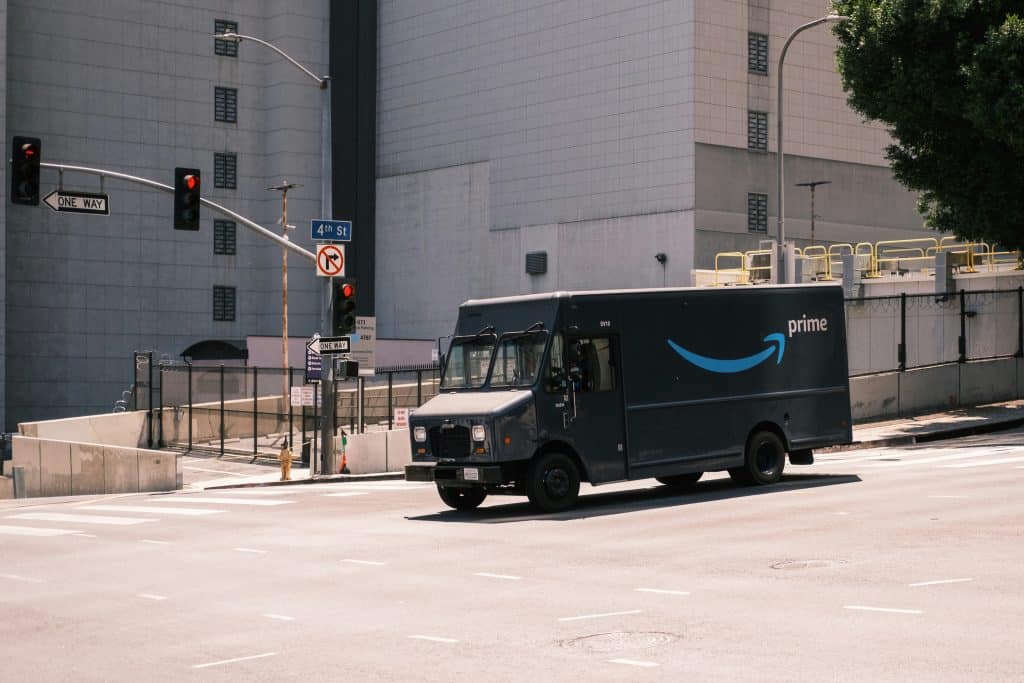
Amazon has emerged as a titan in the global retail landscape, fundamentally altering how consumers shop and how businesses operate. Founded in 1994 by Jeff Bezos, the company began as an online bookstore but has since evolved into a multifaceted e-commerce platform that offers everything from electronics to groceries. Its meteoric rise can be attributed to a combination of strategic foresight, relentless innovation, and an unwavering commitment to customer satisfaction.
Today, Amazon is not just a retailer; it is a cultural phenomenon that has redefined convenience and accessibility in shopping. The sheer scale of Amazon’s operations is staggering. As of 2023, the company boasts millions of products across various categories, serving hundreds of millions of customers worldwide.
Its Prime membership program, which offers benefits such as free shipping and access to streaming services, has cultivated a loyal customer base that continues to grow. This dominance is not merely a reflection of market share; it represents a seismic shift in consumer expectations and retail dynamics, prompting both admiration and concern from various stakeholders in the industry.
Key Takeaways
- Amazon’s dominance in the retail industry has revolutionized the way people shop and has disrupted traditional retail models.
- The rise of e-commerce and changing consumer behavior has led to a significant impact on brick-and-mortar stores, forcing them to adapt or face closure.
- Small businesses face challenges in competing with Amazon’s vast resources and technological innovation, leading to concerns about their survival in the retail industry.
- Amazon’s continuous innovation and use of technology have solidified its position as a retail giant, with a significant impact on the future outlook of the industry.
- The future of the retail industry will continue to be shaped by Amazon’s dominance and the ongoing shift towards e-commerce, posing both opportunities and challenges for businesses.
Disruption of Traditional Retail

The advent of Amazon has led to significant disruption in traditional retail models, forcing established brick-and-mortar stores to reevaluate their strategies. Retailers that once thrived on physical storefronts have found themselves grappling with declining foot traffic and sales as consumers increasingly turn to online shopping for its convenience and efficiency. This shift has been particularly pronounced in sectors such as books, electronics, and apparel, where Amazon’s competitive pricing and vast selection have made it difficult for traditional retailers to compete.
Moreover, the disruption extends beyond mere sales figures; it has also transformed consumer expectations regarding service and delivery. Traditional retailers are now under pressure to offer faster shipping options, seamless return processes, and personalized shopping experiences—elements that Amazon has perfected over the years. As a result, many retailers have adopted omnichannel strategies, integrating their online and offline operations to provide a more cohesive shopping experience.
This evolution reflects a broader trend in which businesses must adapt to survive in an increasingly digital marketplace.
Changing Consumer Behavior

Consumer behavior has undergone a profound transformation in the wake of Amazon’s rise. The convenience of online shopping has led to a shift in how people approach purchasing decisions. Consumers now prioritize speed, ease of access, and variety over the tactile experience of shopping in physical stores.
The ability to compare prices, read reviews, and access a vast array of products from the comfort of home has fundamentally changed the decision-making process. Additionally, the influence of technology on consumer behavior cannot be overstated. Mobile devices have become essential tools for shopping, enabling consumers to browse and purchase products anytime and anywhere.
Social media platforms also play a crucial role in shaping consumer preferences, with influencers and targeted advertising driving trends and encouraging impulse purchases. This new landscape requires retailers to be agile and responsive to rapidly changing consumer demands, further emphasizing the need for innovation in marketing and sales strategies.
The Rise of E-commerce
| Year | Global E-commerce Sales (in trillion USD) | Percentage of Retail Sales |
|---|---|---|
| 2015 | 1.55 | 7.4% |
| 2016 | 1.86 | 8.6% |
| 2017 | 2.3 | 10.2% |
| 2018 | 2.8 | 11.9% |
| 2019 | 3.5 | 13.7% |
The rise of e-commerce is one of the most significant developments in retail history, with Amazon at the forefront of this transformation. E-commerce sales have skyrocketed over the past decade, with projections indicating that they will continue to grow as more consumers embrace online shopping. According to data from the U.S.
Census Bureau, e-commerce sales accounted for over 14% of total retail sales in 2022, a figure that underscores the shifting dynamics of consumer spending. Amazon’s success has not only propelled its own growth but has also inspired countless entrepreneurs and businesses to enter the e-commerce space. The platform’s user-friendly interface, robust logistics network, and extensive reach have lowered barriers to entry for small businesses looking to sell online.
This democratization of retail has led to an explosion of niche markets and unique products available to consumers, fostering a diverse ecosystem that thrives on competition and innovation.
Impact on Brick-and-Mortar Stores
The impact of Amazon on brick-and-mortar stores is multifaceted and profound. Many traditional retailers have faced significant challenges as they struggle to adapt to the new reality of e-commerce dominance. Store closures have become increasingly common, with well-known brands filing for bankruptcy or drastically downsizing their physical footprints.
For instance, companies like Toys “R” Us and Sears have struggled to compete with Amazon’s pricing and convenience, leading to their eventual demise. However, not all brick-and-mortar stores are doomed; some have successfully pivoted by enhancing their in-store experiences or integrating technology into their operations. Retailers are now focusing on creating immersive environments that encourage customers to visit physical locations for experiences they cannot replicate online.
This includes hosting events, offering personalized services, or providing exclusive products that drive foot traffic. The challenge lies in finding the right balance between online and offline strategies while maintaining profitability in an increasingly competitive landscape.
Challenges Faced by Small Businesses

While Amazon’s platform offers opportunities for small businesses to reach a broader audience, it also presents significant challenges that can hinder their growth. The competitive nature of the marketplace means that small sellers often find themselves competing against larger brands with more resources and established reputations. This can lead to price wars that erode profit margins and make it difficult for smaller players to sustain their operations.
Additionally, small businesses face challenges related to visibility on Amazon’s platform. With millions of products available, standing out in search results can be daunting without substantial marketing budgets or expertise in search engine optimization (SEO). Many small sellers struggle with advertising costs on Amazon, which can quickly add up without guaranteed returns on investment.
As a result, while Amazon provides a valuable platform for reaching customers, it also requires small businesses to navigate a complex landscape filled with obstacles that can impede their success.
Amazon’s Innovation and Technology
Amazon’s commitment to innovation is one of the key factors behind its dominance in the retail sector. The company continually invests in technology to enhance its operations and improve customer experiences. One notable example is Amazon Prime Air, which aims to deliver packages via drones within 30 minutes of an order being placed.
While still in development stages, this initiative exemplifies Amazon’s forward-thinking approach to logistics and delivery. Furthermore, Amazon Web Services (AWS) has revolutionized how businesses operate by providing cloud computing solutions that enable companies to scale efficiently without heavy upfront investments in infrastructure. This diversification into technology services not only bolsters Amazon’s revenue streams but also positions it as a leader in multiple industries beyond retail.
The integration of artificial intelligence (AI) into product recommendations and customer service chatbots further illustrates how Amazon leverages technology to enhance user experiences while streamlining its operations.
Future Outlook for the Retail Industry
The future outlook for the retail industry is poised for continued evolution as e-commerce becomes increasingly entrenched in consumer habits. As technology advances and consumer preferences shift further toward digital experiences, retailers must adapt or risk obsolescence. The integration of augmented reality (AR) and virtual reality (VR) into shopping experiences may become more prevalent, allowing consumers to visualize products in their own environments before making purchases.
Moreover, sustainability will likely play an increasingly critical role in shaping retail strategies moving forward. Consumers are becoming more conscious of environmental impacts and are seeking brands that align with their values regarding sustainability and ethical practices. Retailers will need to prioritize transparency in their supply chains and adopt eco-friendly practices to meet these evolving expectations.
In conclusion, while Amazon’s dominance presents challenges for traditional retailers and small businesses alike, it also drives innovation and transformation within the industry. The interplay between e-commerce growth, changing consumer behavior, and technological advancements will continue to shape the future landscape of retail for years to come. As businesses navigate this complex environment, those that embrace change and prioritize customer-centric strategies will be best positioned for success in an ever-evolving marketplace.
