
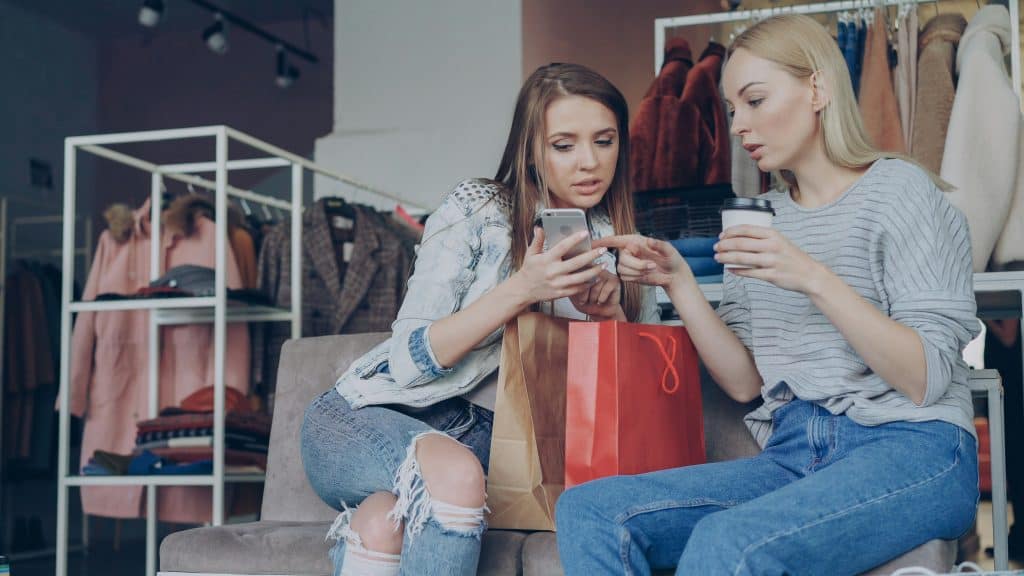
In recent years, the landscape of retail has undergone a significant transformation, primarily driven by the advent of technology and data analytics. Personalized shopping experiences have emerged as a key differentiator for brands seeking to engage consumers in a crowded marketplace. Retailers are leveraging vast amounts of consumer data to tailor their offerings, creating a shopping journey that feels uniquely curated for each individual.
This shift is not merely a trend; it represents a fundamental change in how consumers interact with brands. For instance, e-commerce giants like Amazon utilize sophisticated algorithms to analyze browsing history, purchase patterns, and even wish lists to recommend products that align with a shopper’s preferences. This level of personalization not only enhances customer satisfaction but also drives conversion rates, as consumers are more likely to purchase items that resonate with their interests.
Moreover, the rise of artificial intelligence (AI) and machine learning has further propelled the personalization of shopping experiences. Retailers are now able to implement chatbots and virtual assistants that provide real-time recommendations based on user behavior. For example, fashion retailers can suggest outfits based on previous purchases or even the current season’s trends.
This dynamic interaction fosters a sense of connection between the consumer and the brand, making shopping feel less transactional and more relational. As consumers increasingly expect tailored experiences, brands that fail to adapt risk losing relevance in an ever-evolving market.
Key Takeaways
- Personalized shopping experiences are on the rise, with retailers using data to tailor recommendations and offers to individual customers.
- Social media influencers have a significant impact on online purchases, with their recommendations and endorsements driving consumer behavior.
- Sustainable and ethical shopping is gaining popularity, with consumers seeking out brands that align with their values and beliefs.
- Virtual try-ons and augmented reality are changing the online fashion retail landscape, allowing customers to visualize products before making a purchase.
- There is an increasing demand for same-day and next-day delivery options, as consumers seek convenience and instant gratification in their online shopping experience.

The Impact of Social Media Influencers on Online Purchases
The influence of social media on consumer behavior cannot be overstated, particularly in the realm of online shopping. Social media influencers have emerged as powerful advocates for brands, shaping purchasing decisions through their curated content and authentic engagement with followers. Platforms like Instagram, TikTok, and YouTube have become breeding grounds for influencer marketing, where individuals with substantial followings can sway opinions and drive sales.
For instance, a beauty influencer showcasing a new skincare product can lead to a surge in online purchases as followers trust their recommendations based on perceived authenticity and relatability. The effectiveness of influencer marketing lies in its ability to create a sense of community and belonging among consumers. Followers often view influencers as peers rather than traditional celebrities, which fosters a deeper connection and trust.
This phenomenon is particularly evident in niche markets, where micro-influencers—those with smaller but highly engaged audiences—can have an outsized impact on brand visibility and sales. Brands are increasingly recognizing the value of these partnerships, often collaborating with influencers to create exclusive product lines or limited-edition collections that resonate with their audience. The result is a symbiotic relationship where influencers gain credibility and brands achieve heightened visibility and sales.
The Growing Popularity of Sustainable and Ethical Shopping

As global awareness of environmental issues continues to rise, consumers are increasingly gravitating towards sustainable and ethical shopping practices. This shift is not merely a passing trend; it reflects a fundamental change in consumer values, where individuals prioritize brands that align with their ethical beliefs. Sustainable shopping encompasses a wide range of practices, from purchasing eco-friendly products to supporting companies that prioritize fair labor practices.
For example, brands like Patagonia have built their reputation on environmental stewardship, encouraging consumers to buy less and choose quality over quantity. The demand for transparency in supply chains has also fueled this movement. Consumers are now more informed than ever about the origins of their products and the impact of their purchases on the environment and society.
Brands that provide clear information about their sourcing practices, materials used, and labor conditions are more likely to earn consumer trust and loyalty. This trend is evident in the fashion industry, where companies like Everlane promote radical transparency by disclosing production costs and factory locations. As consumers become more conscious of their purchasing decisions, brands that embrace sustainability and ethical practices are not only meeting market demand but also positioning themselves for long-term success.
The Emergence of Virtual Try-Ons and Augmented Reality in Online Fashion Retail
| Metrics | 2018 | 2019 | 2020 |
|---|---|---|---|
| Percentage of fashion retailers using virtual try-ons | 25% | 40% | 60% |
| Percentage increase in online sales after implementing virtual try-ons | 15% | 30% | 50% |
| Customer satisfaction rate with virtual try-ons | 70% | 75% | 80% |
| Percentage of returns reduced by virtual try-ons | 20% | 35% | 50% |
The integration of technology into online fashion retail has revolutionized the way consumers shop for clothing and accessories. Virtual try-ons and augmented reality (AR) applications have emerged as innovative solutions to address one of the primary challenges of online shopping: the inability to physically try on products before purchase. Brands are increasingly adopting AR technology to enhance the online shopping experience, allowing consumers to visualize how clothing will look on them without leaving their homes.
For instance, companies like Warby Parker offer virtual try-on features that enable customers to see how different eyewear styles will fit their faces using their smartphone cameras. This technological advancement not only enhances consumer confidence but also reduces return rates—a significant concern for online retailers. By providing an interactive experience that mimics in-store shopping, brands can bridge the gap between physical and digital retail environments.
Additionally, AR technology can be used creatively in marketing campaigns, allowing consumers to engage with products in novel ways. For example, beauty brands can utilize AR filters on social media platforms to let users experiment with different makeup looks before making a purchase decision. As AR technology continues to evolve, its potential to reshape online fashion retail is immense, offering consumers an immersive shopping experience that was previously unimaginable.
The Increasing Demand for Same-Day and Next-Day Delivery Options
In an age where convenience reigns supreme, the demand for expedited delivery options has surged dramatically among consumers. The expectation for same-day or next-day delivery has become a standard rather than an exception, driven by the desire for instant gratification in shopping experiences. E-commerce giants like Amazon have set the bar high with their Prime membership program, which promises rapid delivery times for millions of products.
This has not only reshaped consumer expectations but has also compelled other retailers to adapt their logistics strategies to remain competitive. The implications of this demand extend beyond mere convenience; they also influence purchasing behavior significantly. Consumers are more likely to complete a purchase if they know they can receive their items quickly.
Retailers are investing heavily in logistics infrastructure, including fulfillment centers strategically located near urban areas to facilitate faster shipping times. Additionally, partnerships with local courier services have become increasingly common as brands seek innovative solutions to meet consumer expectations for speed without compromising service quality. As technology continues to advance, the logistics landscape will likely evolve further, making rapid delivery options even more accessible across various sectors.
The Shift Towards Mobile Shopping and App-Based Purchases

The proliferation of smartphones has fundamentally altered how consumers engage with retail brands, leading to a significant shift towards mobile shopping and app-based purchases. Mobile commerce has grown exponentially as consumers increasingly prefer the convenience of shopping from their devices at any time and from anywhere. Retailers are responding by optimizing their websites for mobile use and developing dedicated apps that enhance the shopping experience through features like personalized recommendations, easy navigation, and streamlined checkout processes.
Mobile apps offer unique advantages that cater specifically to consumer preferences for speed and efficiency. For instance, many retailers now incorporate mobile wallets that allow users to store payment information securely for quick transactions. Additionally, push notifications can alert users about sales or new product launches tailored to their interests, driving engagement and encouraging impulse purchases.
Brands like Starbucks have successfully leveraged mobile apps not only for ordering but also for loyalty programs that reward frequent customers with points redeemable for free items or discounts. As mobile technology continues to advance, retailers must prioritize mobile-first strategies to capture the growing segment of consumers who prefer app-based shopping experiences.
The Decline of Traditional Brick-and-Mortar Retail and the Rise of Online Marketplaces
The retail landscape is witnessing a seismic shift as traditional brick-and-mortar stores face increasing challenges from online marketplaces. The convenience and accessibility offered by e-commerce platforms have led many consumers to favor online shopping over visiting physical stores. This trend has been exacerbated by the COVID-19 pandemic, which accelerated the adoption of online shopping as consumers sought safer alternatives during lockdowns.
As a result, many well-known retailers have been forced to close physical locations or downsize their operations significantly. Online marketplaces such as Amazon, eBay, and Etsy have capitalized on this shift by providing vast selections of products from various sellers in one convenient location. These platforms not only offer competitive pricing but also provide user-friendly interfaces that simplify the shopping process.
Additionally, they often feature customer reviews and ratings that help guide purchasing decisions—an advantage that traditional retailers struggle to replicate in-store. The decline of brick-and-mortar retail is not solely due to consumer preference; it also reflects changing economic dynamics where operational costs associated with physical locations can be prohibitive compared to the relatively low overhead of online marketplaces.
The Influence of Customer Reviews and Ratings on Online Shopping Behavior
In an era where information is readily available at consumers’ fingertips, customer reviews and ratings play a pivotal role in shaping online shopping behavior. Potential buyers often rely on feedback from previous customers as a critical factor in their decision-making process. Research indicates that a significant percentage of consumers consult reviews before making a purchase; they seek validation from others who have experienced the product firsthand.
This reliance on social proof underscores the importance of maintaining a positive online reputation for brands. Platforms like Yelp, Google Reviews, and Amazon’s customer feedback system have become essential tools for consumers navigating their purchasing decisions. Positive reviews can enhance brand credibility and encourage new customers to take the plunge, while negative feedback can deter potential buyers and damage a brand’s reputation significantly.
Brands are increasingly aware of this dynamic; many actively solicit reviews from satisfied customers or implement strategies to address negative feedback promptly. By fostering an environment where customer voices are heard and valued, brands can build trust and loyalty among their audience—an essential component in today’s competitive retail landscape. The interplay between these various factors illustrates the complexity of modern retail dynamics as businesses adapt to evolving consumer preferences and technological advancements.
Each element contributes uniquely to shaping how consumers shop today while presenting both challenges and opportunities for brands navigating this rapidly changing environment.
