
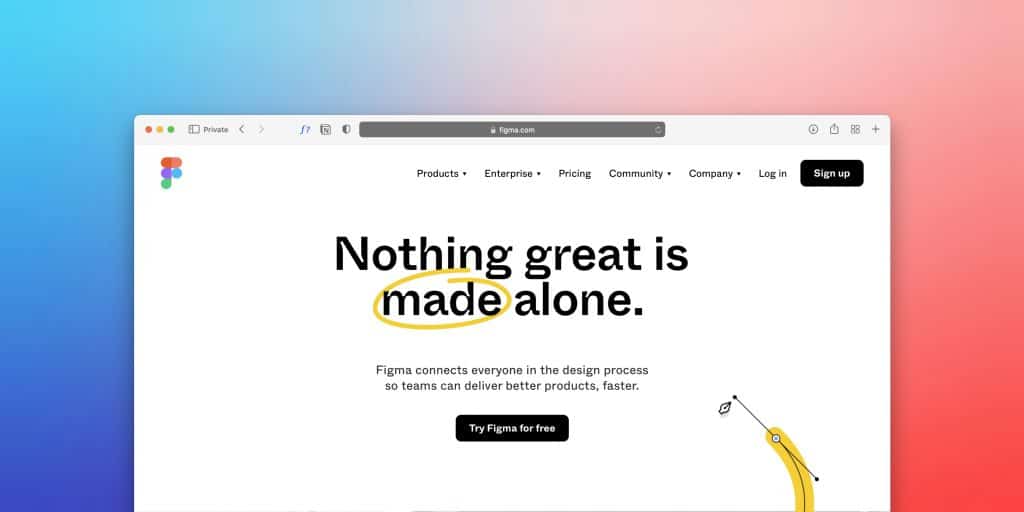
User experience (UX) encompasses the overall interaction a user has with a product, particularly in the context of digital platforms such as websites and applications. It is a multifaceted concept that includes usability, accessibility, and the emotional response elicited during the interaction. A well-designed user experience is crucial for retaining customers and encouraging them to engage with a brand.
It involves understanding the needs, preferences, and behaviors of users, which can be achieved through various research methods, including surveys, interviews, and usability testing. By prioritizing user experience, businesses can create a more engaging and satisfying environment that fosters loyalty and drives conversions. To effectively enhance user experience, it is essential to adopt a user-centered design approach.
This means involving users in the design process from the outset, ensuring that their feedback shapes the final product. For instance, companies like Amazon and Apple invest heavily in user research to understand how their customers interact with their platforms. They analyze user behavior data to identify pain points and areas for improvement.
By continuously iterating on their designs based on user feedback, these companies can create experiences that resonate with their audience, ultimately leading to increased satisfaction and higher sales.
Key Takeaways
- User experience is crucial for the success of a website, as it directly impacts customer satisfaction and conversion rates.
- Clear and intuitive navigation helps users easily find what they are looking for, leading to a better overall experience.
- High-quality product images and detailed descriptions are essential for providing customers with a comprehensive understanding of the products.
- A seamless checkout process is key to reducing cart abandonment and improving conversion rates.
- Optimizing for mobile and tablet devices is necessary to cater to the growing number of users accessing websites through these platforms.

Creating a Clear and Intuitive Navigation
Navigation is a critical component of any website or application, serving as the roadmap that guides users through the content. A clear and intuitive navigation system allows users to find what they are looking for quickly and efficiently, reducing frustration and enhancing their overall experience. Effective navigation should be simple, consistent, and predictable.
This means using familiar terminology and organizing content logically so that users can easily anticipate where to find specific information or products. One effective strategy for creating intuitive navigation is to employ a hierarchical structure that categorizes content into broad sections with subcategories underneath. For example, an e-commerce website might have main categories such as “Men,” “Women,” “Kids,” and “Accessories,” with subcategories for specific types of products within each section.
Additionally, incorporating a search bar can significantly enhance navigation by allowing users to quickly locate specific items without having to browse through multiple categories. Websites like IKEA exemplify this approach by providing a straightforward navigation menu alongside a robust search function, enabling users to explore their extensive product range effortlessly.
Utilizing High-Quality Product Images and Descriptions

In the realm of e-commerce, product images and descriptions play a pivotal role in influencing purchasing decisions. High-quality images provide potential buyers with a clear view of the product, showcasing its features, colors, and textures. This visual representation is particularly important in online shopping, where customers cannot physically interact with items before making a purchase.
Therefore, investing in professional photography can significantly enhance the perceived value of products and instill confidence in consumers. Equally important are well-crafted product descriptions that complement the images. These descriptions should not only provide essential information such as dimensions, materials, and care instructions but also convey the benefits and unique selling points of the product.
For instance, a clothing retailer might highlight the comfort and versatility of a dress while also detailing its fabric composition and care requirements. By combining compelling visuals with informative text, brands can create a more immersive shopping experience that encourages users to make informed decisions.
Implementing a Seamless Checkout Process
| Metrics | Data |
|---|---|
| Cart Abandonment Rate | 25% |
| Conversion Rate | 70% |
| Checkout Page Load Time | 3 seconds |
| Number of Steps in Checkout Process | 3 |
The checkout process is often where potential customers abandon their carts, making it one of the most critical aspects of e-commerce design. A seamless checkout experience minimizes friction and streamlines the purchasing journey, ultimately leading to higher conversion rates. To achieve this, businesses should aim to simplify the checkout process by reducing the number of steps required to complete a purchase.
For example, offering guest checkout options allows users to make purchases without creating an account, which can significantly decrease abandonment rates. Additionally, providing multiple payment options can cater to diverse customer preferences. Some users may prefer credit card payments, while others might opt for digital wallets like PayPal or Apple Pay.
By accommodating various payment methods, businesses can enhance convenience and encourage more users to finalize their transactions. Furthermore, incorporating progress indicators during the checkout process can reassure customers by showing them how far along they are in completing their purchase.
Optimizing for Mobile and Tablet Devices
With an increasing number of consumers using mobile devices for online shopping, optimizing websites for mobile and tablet use has become imperative. A responsive design ensures that websites adapt seamlessly to different screen sizes and orientations, providing an optimal viewing experience regardless of the device being used. This involves not only resizing images and text but also reorganizing content to maintain usability on smaller screens.
Mobile optimization goes beyond just responsive design; it also includes improving loading speeds and simplifying navigation for touch interfaces. Research indicates that users are more likely to abandon sites that take longer than three seconds to load on mobile devices. Therefore, employing techniques such as image compression and minimizing HTTP requests can significantly enhance performance.
Additionally, touch-friendly buttons and larger clickable areas can improve usability on mobile devices, making it easier for users to navigate and interact with the site.
Incorporating Customer Reviews and Testimonials

Customer reviews and testimonials serve as powerful tools for building trust and credibility in an online marketplace. Potential buyers often seek validation from others before making a purchase decision; therefore, showcasing authentic feedback can significantly influence their choices. Integrating customer reviews into product pages not only provides social proof but also offers insights into the experiences of previous buyers.
To maximize the impact of reviews, businesses should encourage customers to leave feedback after their purchases actively. This can be achieved through follow-up emails or incentives such as discounts on future purchases. Additionally, displaying both positive and constructive reviews demonstrates transparency and authenticity, which can further enhance trust among potential customers.
Brands like Zappos have successfully leveraged customer reviews by prominently featuring them on product pages, allowing shoppers to make informed decisions based on real experiences.
Integrating Social Media and Sharing Features
Social media integration is essential for modern e-commerce websites as it allows brands to connect with their audience on multiple platforms while also encouraging user engagement. By incorporating social sharing buttons on product pages, businesses enable customers to share their favorite items with friends and followers easily. This not only increases brand visibility but also taps into the power of word-of-mouth marketing.
Moreover, showcasing user-generated content from social media can create a sense of community around a brand. For instance, fashion retailers often encourage customers to share photos of themselves wearing purchased items on platforms like Instagram using specific hashtags. This not only provides authentic content for marketing but also fosters a sense of belonging among customers who feel connected to the brand’s community.
By effectively integrating social media features into their websites, businesses can enhance engagement while driving traffic from various channels.
Monitoring and Analyzing Website Performance
To ensure continuous improvement in user experience and overall website effectiveness, monitoring and analyzing website performance is crucial. Utilizing analytics tools such as Google Analytics allows businesses to track key metrics such as page views, bounce rates, conversion rates, and user behavior patterns. By analyzing this data, companies can identify areas that require optimization or adjustment.
For instance, if analytics reveal that users are frequently abandoning their carts at a specific stage in the checkout process, businesses can investigate potential issues causing this drop-off. A/B testing different elements—such as button colors or wording—can help determine what resonates best with users. Additionally, monitoring site speed is essential; slow-loading pages can deter users from engaging with content or completing purchases.
By regularly reviewing performance metrics and making data-driven decisions, businesses can create a more effective online presence that meets user needs while driving growth.
