
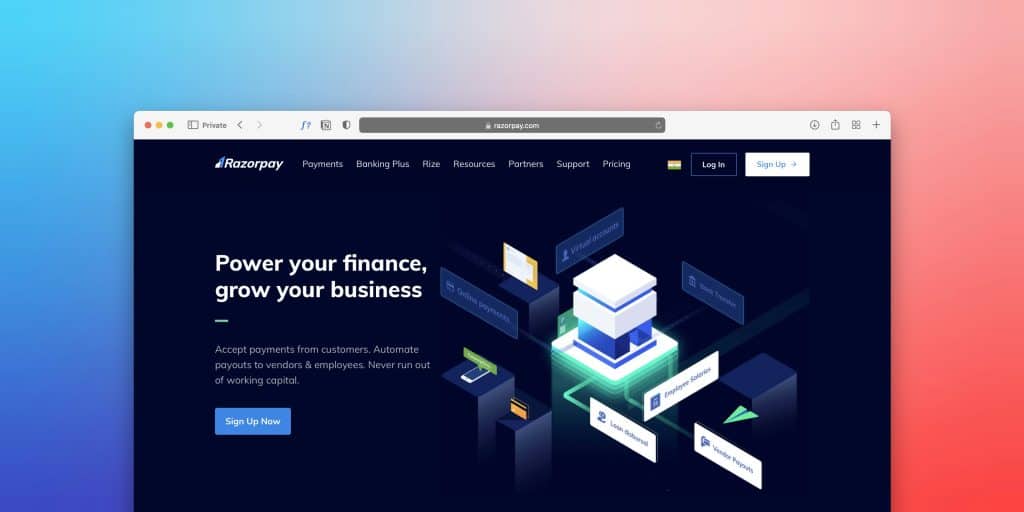
Ecommerce website design is a multifaceted discipline that combines aesthetics, functionality, and user experience to create an online shopping environment that is both appealing and efficient. At its core, ecommerce design must prioritize the needs of the user while also aligning with the business goals of the retailer. This involves a careful balance between visual elements, such as color schemes and typography, and practical components, like site architecture and loading speed.
A well-designed ecommerce site not only attracts visitors but also encourages them to explore products, make purchases, and return for future transactions. The foundational principles of ecommerce design include clarity, simplicity, and consistency. Clarity ensures that users can easily understand what products are available and how to navigate the site.
Simplicity reduces cognitive load, allowing customers to focus on their shopping experience without unnecessary distractions. Consistency across various pages and elements fosters familiarity, making it easier for users to engage with the site. For instance, using a uniform color palette and consistent button styles throughout the site can enhance brand recognition and trust.
By adhering to these principles, ecommerce websites can create a seamless shopping experience that drives conversions.
Key Takeaways
- Ecommerce website design should prioritize user experience and functionality to drive sales and customer satisfaction.
- The right ecommerce platform should align with your business needs, budget, and technical capabilities.
- Intuitive website navigation is crucial for guiding users to products and information efficiently.
- Effective product display and organization can improve user engagement and increase sales.
- Optimizing the checkout process is essential for reducing cart abandonment and ensuring seamless transactions.

Choosing the Right Ecommerce Platform for Your Business
Selecting the appropriate ecommerce platform is a critical decision that can significantly impact the success of an online business. Various platforms cater to different needs, ranging from small startups to large enterprises. Popular options include Shopify, WooCommerce, Magento, and BigCommerce, each offering unique features and capabilities.
For instance, Shopify is renowned for its user-friendly interface and robust support system, making it an excellent choice for beginners. In contrast, WooCommerce provides extensive customization options for those who are comfortable with WordPress and seek greater control over their online store. When evaluating ecommerce platforms, businesses should consider several factors, including scalability, payment processing options, and integration capabilities with third-party tools.
Scalability is particularly important for businesses anticipating growth; a platform that can accommodate increased traffic and product listings without compromising performance is essential. Additionally, payment processing options should align with customer preferences; offering multiple payment methods can enhance user experience and reduce cart abandonment rates. Integration with tools such as email marketing services or inventory management systems can streamline operations and improve overall efficiency.
Creating a User-Friendly and Intuitive Website Navigation

Website navigation is a crucial aspect of ecommerce design that directly influences user experience. An intuitive navigation structure allows customers to find products quickly and easily, reducing frustration and increasing the likelihood of conversion. Effective navigation typically includes a clear menu layout with well-defined categories and subcategories that reflect the product offerings.
For example, an online clothing retailer might categorize items by type (e.g., shirts, pants, accessories) and further refine these categories by gender or style. In addition to a logical categorization system, incorporating search functionality can significantly enhance navigation. A robust search bar enables users to quickly locate specific products without having to sift through multiple categories.
Advanced search features, such as filters for size, color, or price range, can further refine results and improve the shopping experience. Moreover, breadcrumb navigation can help users understand their current location within the site hierarchy, allowing them to backtrack easily if needed. By prioritizing user-friendly navigation, ecommerce websites can facilitate a smoother shopping journey that encourages exploration and ultimately drives sales.
Implementing Effective Product Display and Organization
| Metrics | Value |
|---|---|
| Conversion Rate | 15% |
| Average Time on Page | 2 minutes |
| Number of Clicks | 500 |
| Bounce Rate | 25% |
The way products are displayed on an ecommerce website plays a pivotal role in influencing purchasing decisions. High-quality images are essential; they should showcase products from multiple angles and provide zoom functionality to allow customers to examine details closely. Additionally, incorporating videos or 360-degree views can enhance product presentation and provide a more immersive shopping experience.
For instance, fashion retailers often use videos to demonstrate how clothing fits and moves on models, giving potential buyers a better sense of the product. Beyond visual presentation, effective organization of product listings is equally important. Utilizing grid layouts with clear product titles, prices, and brief descriptions can help users quickly scan through options.
Implementing sorting options—such as by popularity, price range, or newest arrivals—empowers customers to tailor their browsing experience according to their preferences. Furthermore, including customer reviews and ratings alongside product listings can build trust and provide social proof that influences purchasing decisions. By focusing on both visual appeal and organizational structure, ecommerce websites can create an engaging environment that encourages customers to explore and ultimately purchase products.
Optimizing the Checkout Process for Seamless Transactions
A streamlined checkout process is vital for reducing cart abandonment rates and ensuring a positive customer experience. Complicated or lengthy checkout procedures can frustrate users and lead them to abandon their carts in favor of competitors with more efficient processes. To optimize checkout, businesses should aim to minimize the number of steps required to complete a purchase.
Implementing a guest checkout option allows users to make purchases without creating an account, which can significantly reduce friction during the transaction. Additionally, providing clear progress indicators throughout the checkout process helps users understand where they are in the transaction flow. This transparency can alleviate anxiety about potential hidden costs or lengthy procedures.
Offering multiple payment options—such as credit cards, PayPal, or digital wallets—can also enhance convenience for customers. Furthermore, ensuring that the checkout page is mobile-friendly is crucial; many consumers shop on their smartphones or tablets, so optimizing for smaller screens can lead to higher conversion rates. By focusing on simplicity and convenience in the checkout process, ecommerce websites can foster customer satisfaction and loyalty.
Incorporating Responsive Design for Mobile Compatibility

In today’s digital landscape, mobile compatibility is no longer optional; it is essential for ecommerce success. With an increasing number of consumers using smartphones for online shopping, responsive design has become a critical component of ecommerce website development. Responsive design ensures that a website adapts seamlessly to various screen sizes and devices, providing an optimal viewing experience regardless of how users access the site.
Implementing responsive design involves using flexible grids and layouts that adjust based on screen dimensions. This approach not only enhances usability but also improves loading times on mobile devices—a crucial factor in retaining visitors who may abandon slow-loading sites. Additionally, touch-friendly elements such as larger buttons and simplified navigation menus cater specifically to mobile users’ needs.
By prioritizing responsive design in ecommerce websites, businesses can reach a broader audience and provide a consistent shopping experience across all devices.
Utilizing Effective Call-to-Actions and Conversion Optimization
Call-to-action (CTA) buttons are pivotal in guiding users toward desired actions on an ecommerce website—whether it’s adding items to their cart or completing a purchase. The effectiveness of CTAs hinges on their visibility and clarity; they should stand out from other elements on the page while clearly communicating what action users should take. For example, using contrasting colors for CTA buttons can draw attention while concise text like “Buy Now” or “Add to Cart” provides clear direction.
In addition to strategic placement of CTAs throughout the site—such as on product pages, landing pages, or during checkout—A/B testing different variations can yield valuable insights into what resonates best with customers. This process involves creating two versions of a page or button with slight variations (e.g., color or wording) to determine which performs better in terms of conversions. By continuously optimizing CTAs based on user behavior data, ecommerce businesses can enhance their conversion rates and drive more sales.
Implementing Security Measures to Protect Customer Information
As online shopping continues to grow in popularity, ensuring the security of customer information has become paramount for ecommerce businesses. Consumers are increasingly concerned about data breaches and identity theft; therefore, implementing robust security measures is essential for building trust and credibility. One fundamental step is obtaining an SSL certificate for the website, which encrypts data transmitted between the user’s browser and the server—protecting sensitive information such as credit card details during transactions.
In addition to SSL encryption, businesses should adopt secure payment gateways that comply with industry standards such as PCI DSS (Payment Card Industry Data Security Standard). Regularly updating software and plugins is also crucial in safeguarding against vulnerabilities that could be exploited by cybercriminals. Furthermore, providing clear privacy policies that outline how customer data will be used and protected can enhance transparency and foster trust among users.
By prioritizing security measures on their ecommerce websites, businesses not only protect their customers but also strengthen their brand reputation in an increasingly competitive market.
