
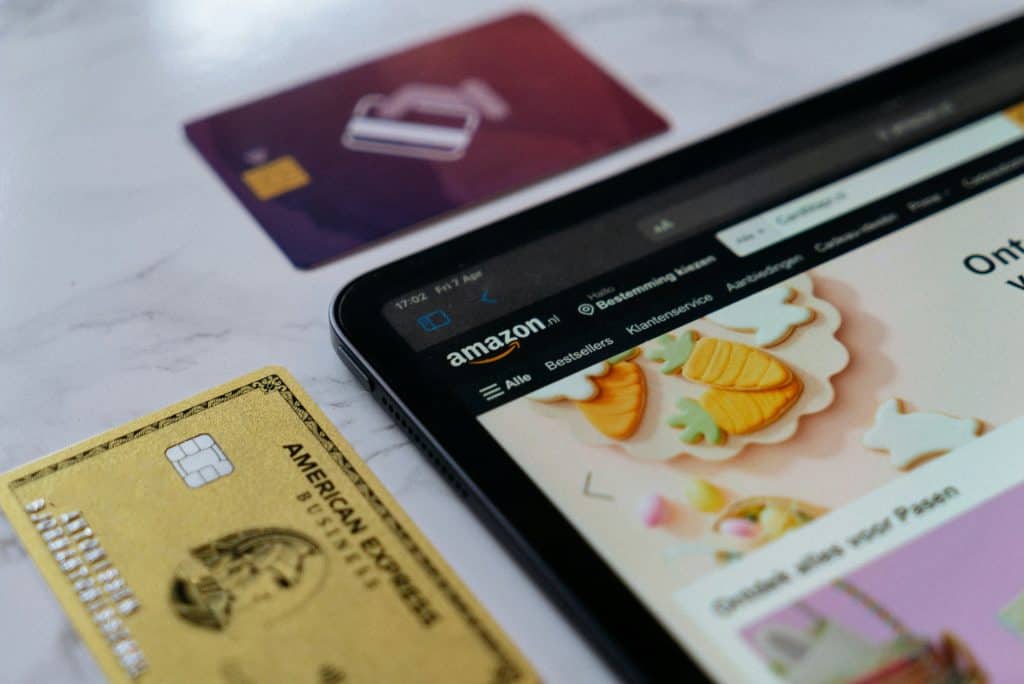
Shopify Payments is an integrated payment processing solution that allows merchants to accept payments directly through their online stores without the need for third-party payment gateways. One of the most significant advantages of using Shopify Payments is the seamless integration it offers. Merchants can manage their transactions, refunds, and chargebacks all from within the Shopify dashboard, eliminating the need to juggle multiple accounts or platforms.
This streamlined approach not only saves time but also reduces the complexity often associated with managing online payments. Another key benefit of Shopify Payments is its competitive transaction fees. Unlike many third-party payment processors that charge additional fees on top of standard rates, Shopify Payments offers a transparent fee structure that can be more cost-effective for merchants.
For instance, businesses on the Basic Shopify plan pay 2.9% + 30¢ per transaction, while those on higher-tier plans enjoy lower rates. This pricing model can significantly impact a business’s bottom line, especially for high-volume sellers. Additionally, Shopify Payments supports various payment methods, including credit cards, debit cards, and even digital wallets like Apple Pay and Google Pay, catering to a diverse customer base and enhancing the overall shopping experience.
Key Takeaways
- Shopify Payments offers a seamless and integrated payment solution for online stores, providing benefits such as simplified setup, competitive rates, and access to advanced features.
- Setting up Shopify Payments for your online store is a straightforward process that involves completing a few simple steps within your Shopify dashboard.
- Shopify provides fraud prevention tools to help merchants detect and prevent fraudulent transactions, including chargeback protection and customizable risk analysis settings.
- Optimizing the checkout experience on your Shopify store can lead to higher conversion rates, with features such as one-click checkout, guest checkout, and mobile-optimized design.
- Shopify’s reporting and analytics features enable merchants to gain valuable insights into their sales performance, customer behavior, and inventory management, helping them make informed business decisions.
Setting Up Shopify Payments for Your Online Store

Setting up Shopify Payments is a straightforward process that can be completed in just a few steps. First, merchants need to log into their Shopify admin panel and navigate to the “Settings” section. From there, they can select “Payments” and choose Shopify Payments as their preferred payment method.
The setup process requires merchants to provide essential information such as their business details, banking information for payouts, and tax information. This information is crucial for ensuring that transactions are processed smoothly and that funds are deposited into the correct accounts. Once the initial setup is complete, merchants can customize their payment settings to align with their business needs.
For example, they can enable or disable specific payment methods based on their target audience or geographic location. Additionally, Shopify allows merchants to set up automatic payouts, which means that funds from sales are transferred to their bank accounts on a regular schedule. This feature is particularly beneficial for businesses that rely on consistent cash flow to manage operations and reinvest in growth.
Utilizing Shopify’s Fraud Prevention Tools

Fraud prevention is a critical concern for online retailers, and Shopify Payments comes equipped with robust tools designed to mitigate risks associated with fraudulent transactions. One of the primary features is the automatic fraud analysis that occurs during each transaction. Shopify employs machine learning algorithms to assess various risk factors, such as the customer’s IP address, order history, and payment method.
If a transaction is flagged as potentially fraudulent, merchants receive alerts and can take appropriate action before fulfilling the order. In addition to automated fraud detection, Shopify provides merchants with tools to manually review orders that may raise red flags. This includes access to detailed reports that highlight suspicious activity, allowing merchants to make informed decisions about whether to proceed with an order or issue a refund.
By leveraging these fraud prevention tools, businesses can protect themselves from chargebacks and financial losses while maintaining a positive customer experience.
Optimizing Checkout Experience for Higher Conversions
| Metrics | Current | Target |
|---|---|---|
| Cart Abandonment Rate | 70% | 50% |
| Conversion Rate | 2% | 4% |
| Average Checkout Time | 5 minutes | 3 minutes |
| Mobile Checkout Optimization | Not optimized | Fully optimized |
The checkout experience plays a pivotal role in determining whether a customer completes a purchase or abandons their cart. Shopify Payments offers several features designed to optimize this critical stage of the buying process. One such feature is the ability to enable one-click checkout options for returning customers.
By storing payment information securely, returning customers can complete their purchases with minimal friction, significantly reducing cart abandonment rates. Moreover, Shopify allows merchants to customize their checkout pages to reflect their brand identity. This includes adding logos, changing color schemes, and modifying text fields to create a cohesive shopping experience.
A well-designed checkout page not only enhances brand recognition but also instills trust in customers, making them more likely to finalize their purchases. Additionally, offering multiple payment options—such as credit cards, PayPal, and digital wallets—ensures that customers can choose their preferred method of payment, further increasing conversion rates.
Leveraging Shopify’s Reporting and Analytics Features
Data-driven decision-making is essential for any successful online business, and Shopify Payments provides merchants with comprehensive reporting and analytics features that offer valuable insights into sales performance and customer behavior. The dashboard includes real-time data on sales trends, payment methods used, and transaction volumes, allowing merchants to identify patterns and make informed adjustments to their strategies. For instance, by analyzing which payment methods are most popular among customers, merchants can tailor their offerings accordingly.
If a significant portion of sales comes from mobile payments, it may be worth investing in optimizing the mobile shopping experience further. Additionally, Shopify’s reporting tools allow merchants to track chargebacks and refunds closely, providing insights into potential issues with specific products or customer segments. This level of detail empowers businesses to refine their operations continually and enhance overall profitability.
Implementing Dynamic Pricing Strategies with Shopify Payments

Dynamic pricing strategies can be an effective way for online retailers to maximize revenue by adjusting prices based on various factors such as demand, competition, and customer behavior. With Shopify Payments integrated into their platform, merchants can easily implement these strategies without disrupting the customer experience. For example, businesses can use apps available in the Shopify App Store that allow for real-time price adjustments based on inventory levels or competitor pricing.
Additionally, Shopify’s built-in discount features enable merchants to create time-sensitive promotions or personalized discounts for specific customer segments. By analyzing customer purchase history and behavior through Shopify’s analytics tools, businesses can tailor these promotions effectively. For instance, offering a discount on frequently purchased items can encourage repeat purchases while also leveraging the capabilities of Shopify Payments to ensure smooth transactions during promotional periods.
Expanding Your Reach with Shopify’s Global Payment Options
As e-commerce continues to grow globally, expanding into international markets presents both opportunities and challenges for online retailers. Shopify Payments supports multiple currencies and international payment methods, making it easier for merchants to cater to customers around the world. By enabling multi-currency support, businesses can display prices in local currencies, which enhances the shopping experience for international customers and reduces confusion at checkout.
Moreover, Shopify Payments integrates with various local payment methods that are popular in specific regions. For instance, in countries like Germany or the Netherlands, customers may prefer using local payment options such as Klarna or iDEAL over traditional credit cards. By offering these localized payment methods through Shopify Payments, merchants can increase their chances of converting international visitors into paying customers while also building trust within those markets.
Ensuring Compliance and Security with Shopify Payments
In an era where data breaches and cyber threats are prevalent, ensuring compliance and security is paramount for any online business. Shopify Payments adheres to stringent security standards set by the Payment Card Industry Data Security Standard (PCI DSS), which mandates rigorous security measures for handling credit card information. This compliance not only protects sensitive customer data but also instills confidence in consumers when making purchases.
Shopify also employs advanced encryption technologies to safeguard transaction data during processing. This means that sensitive information is encrypted before it is transmitted over the internet, making it nearly impossible for unauthorized parties to access it. Additionally, merchants benefit from features such as two-factor authentication (2FA) for added security when accessing their accounts.
By prioritizing compliance and security through Shopify Payments, businesses can focus on growth while ensuring that they protect both their customers and themselves from potential threats in the digital landscape.
